
Our Work
Methane Pollution Prevention
The impacts of climate change are here.
If we don’t slow warming, we risk pushing the planet past potentially irreversible tipping points.
Immediate reduction of methane pollution is the best strategy we have to reduce the rate of global warming right now. Alongside significant, sustained reductions in carbon dioxide (CO₂) emissions, reducing methane emissions is a key part of the foundation for any successful climate strategy. Urgent, coordinated action is the only way to bend the curve on climate in our lifetimes.






Our vision
A world where methane mitigation actions are fully deployed and deep reductions in methane pollution help to create a stable climate that supports a healthy planet for all
Our impact on preventing methane pollution
Our Mission
CATF was the first environmental group to publicly sound the alarm about the dangers of methane emissions and pollution. Our methane efforts are aimed at reducing emissions that will have the greatest impact on warming the planet over the near-term and offer the most promising pathways for action. Taken together, efforts to reduce methane emissions globally could prevent 0.3 degrees Celsius of warming along with numerous other public health and ecological benefits. Because methane has a much shorter atmospheric lifespan than carbon dioxide, significant cuts in its emissions will yield much faster reductions in planetary warming, as compared to reductions in carbon dioxide.
Our mission is to facilitate global reductions in human-caused methane emissions by building capacity of key stakeholders and pushing policies that protect people and the planet from the most harmful effects of climate change.
CATF advocates for methane emissions reductions at the international, national, and sub-national levels, supporting scientific research and innovation, promoting policy initiatives, encouraging the development of financial mechanisms, and championing and defending standards that can dramatically reduce emissions. Rapid reductions in methane emissions from the energy, waste, and agriculture sectors are the only way to dramatically reduce the rate of global warming in the next 20 years.
En Español: Iniciativas de CATF en materia de Contaminantes Climáticos de Vida Corta
Our Strategy
CATF’s methane pollution prevention team employs five key strategies to achieve ambitious goals that reduce methane emissions globally:
- Policy Advocacy and Implementation: Advocate for subnational, national, and regional regulations, policies, and measures that support implementation of methane mitigation solutions and practices.
- Partnerships: Build champions and partnerships in government, civil society, industry, and international organizations.
- Research and Analysis: Perform research to highlight impacts and solutions and to better understand poorly characterized emissions sources. Leverage new data from satellites to drive policy. Build a team of experts to facilitate policy development and implementation.
- Communications: Use strategic communications to elevate the need for fast mitigation of methane alongside efforts to cut CO2.
- High-level Diplomacy: Create and strengthen multilateral and bilateral commitments and engage high-level leaders on methane mitigation.
Our Achievements
- Collaborated closely with Ghana’s EPA to provide analysis and capacity building which led to the Petroleum Regulations being passed into law in 2025 – the country’s first regulatory framework which will ensure that methane mitigation is a measurable and enforceable part of petroleum operations in Ghana.
- Launched a rapid response Fossil Fuel Regulatory Programme with the Climate and Clean Air Coalition which provides tailored regulatory and policy support to countries to take immediate action to cut methane emissions from their oil, gas, and coal sectors.
- Instrumental in finalizing U.S. EPA’s oil and gas methane standards, greenhouse gas reporting requirement updates, and methane fee for the oil and gas sector.
- Played a decisive role in passing the groundbreaking EU Methane Regulation and the world’s first methane import standard, which have the potential to reduce global oil and gas methane emissions by 30%. Our #CutMethaneEU campaign continues to raise awareness and drive progress in domestic implementation of the rules.
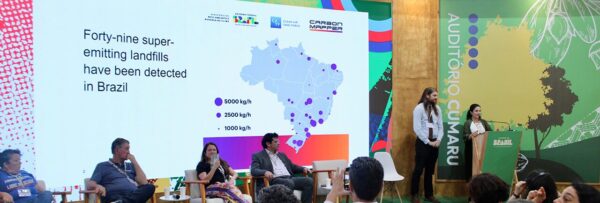
- Launched the Waste Methane Assessment Platform (WasteMAP) initiative with our partners at RMI.
- Expanded waste sector methane advocacy to Latin America and the Caribbean and Africa working in Colombia, Mexico, Ecuador, and Brazil.
- Expanded coal mine methane policy advocacy efforts to Australia, Europe, and Asia, focused on capacity building and mitigation best practices.
- Advanced agriculture methane emissions reduction through collaboration with government and industry in Argentina, Paraguay, the U.S., UK, and Brazil.
- Set the stage for policy development in Nigeria through collaboration, resulting in the first regulations to curb methane emissions in the energy sector on the continent.
- Fostered capacity building and knowledge sharing on methane pollution, paving the way for Colombia’s landmark accomplishment of flaring and fugitive emissions regulations in 2022, the first in South America.
- Catalyzed action on methane by supporting the launch of the Global Methane Pledge in 2021, fostering participation of over 150 nations to date.
- Successfully advocated for strong, nationwide oil and gas methane regulations in Mexico and Canada.
- Helped secure the first-ever nationally applicable methane standards for new oil and gas sources in the U.S. in 2016.
What is methane pollution?
Reducing methane pollution is the fastest way to slow global warming and avoid near-term and
potentially irreversible climate tipping points.
Current Projects
What we’re working on
Agriculture Methane
Agriculture is the world’s largest source of anthropogenic, or human caused, methane emissions, accounting for 40% of the global total with the majority stemming from enteric fermentation in livestock, manure management, and rice production. Agricultural methane emissions are tightly tied to growth and development in much of the world and are projected to increase significantly without fast action.
Learn more about our agriculture methane work.
Coal Mine Methane
Coal mining activities are responsible for roughly 11% of global anthropogenic methane emissions. Sources include active underground and surface mines, abandoned mines, and post-mining operations. Major coal-producing nations collectively emit over 52.5 billion cubic meters of methane annually, much of it as ventilation air methane, or VAM, which consists of low-concentration emissions mixed with mine air.
CATF is working to develop innovative solutions, policies, and financial mechanisms that can be applied both in the U.S. as well as internationally.
Learn more about coal mine methane work.
Oil and Gas Methane
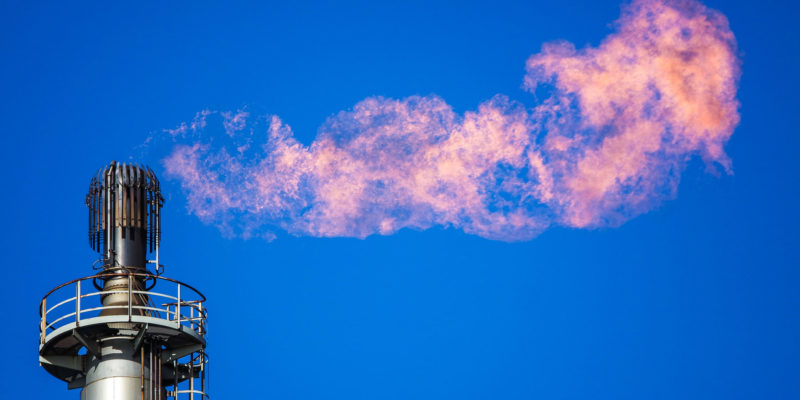
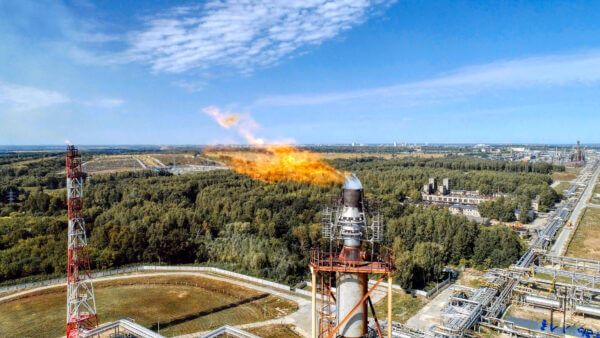
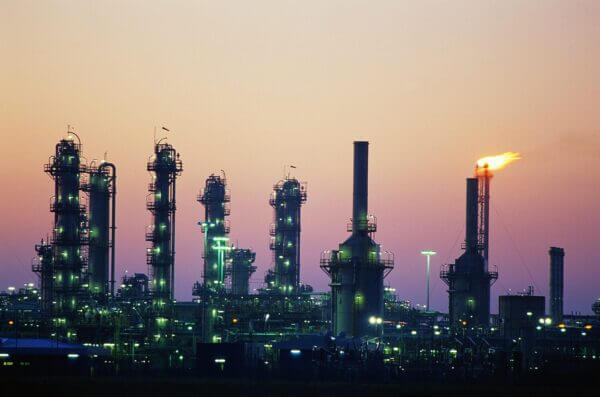
Methane, the primary component of natural gas, is emitted all along the oil and gas supply chain, and accounts for roughly 21% of human-caused emissions. Every year, oil and gas companies leak, flare, and vent billions of dollars worth of methane in their operations. This loss is an inefficiency in the oil and gas market and a waste of valuable resources. CATF seeks to reduce methane emissions by working with governments to develop regulatory policy aimed at methane emissions across the oil and gas supply chain. Our regulatory support focuses on countries with sizable production markets, and we leverage major import nations to regulate emissions across the global supply chain.
Learn more about our oil and gas methane work.
Waste Methane
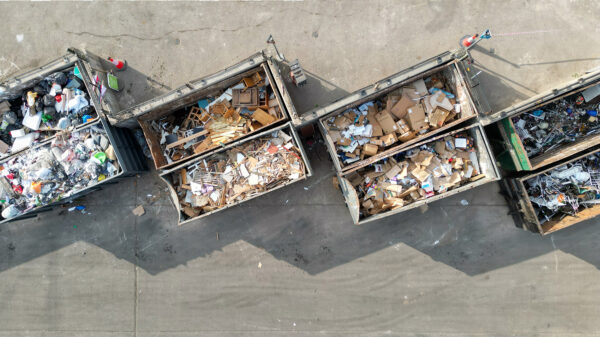
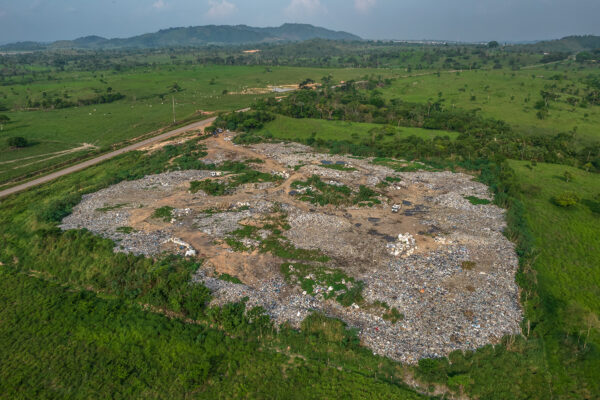
Waste is the world’s third-largest source of anthropogenic methane emissions, accounting for 20% of the global total with the majority stemming from solid waste decaying in dumpsites and landfills. Waste methane emissions are tightly tied to growth and development in much of the world and are projected to increase significantly without fast action. CATF is working to help governments around the world understand and prioritize the waste sector in methane mitigation plans and goals.
Learn more about our waste methane work.
Related resources
Meet our experts working on methane
-
Jonathan Banks
Global Director, Methane Pollution Prevention -

Ian Barlow
Program Manager, Methane Pollution Prevention -

Mohammed Dahiru Aminu
Africa Policy Manager, Methane Pollution Prevention -

Felicia Douglas
Director, Program Management, Methane Pollution Prevention -

Fernanda Ferreira
Director, Agriculture Methane -

Lesley Feldman
Director, Research and Analysis -

Paula García Holley
Senior Manager, Latin America Policy, Methane Pollution Prevention -

Isabel Garzón
Waste Manager, Methane Pollution Prevention -

John Graham
Senior Scientist -

Théophile Humann-Guilleminot
Senior Campaign Manager, Methane Pollution Prevention -

Felipe Javier Cardoso Saldaña
Policy Analyst, Latin America and the Caribbean Fossil Fuel Methane, Methane Pollution Prevention -

Brandon Locke
Senior Europe Policy Manager, Methane Pollution Prevention -

David McCabe
Senior Scientist -

Alfredo Miranda-González
Deputy Director, International Methane -

Linh Nguyen
Research Associate, Methane Pollution Prevention -

Heny Patel
Senior Program Analyst, Methane Pollution Prevention -

Felicia A. Ruiz
Director, Coal Mine Methane and Strategic Partnerships -

Darin Schroeder
Methane Legal and Regulatory Director -

Kait Siegel
Director, Waste Methane -

James Turitto
Director, Oil and Gas Methane, Methane Pollution Prevention -

Zitely Tzompa Sosa
Research Manager, Methane Pollution Prevention
