
Oil and Gas Methane
Methane from oil and gas operations is fueling climate change
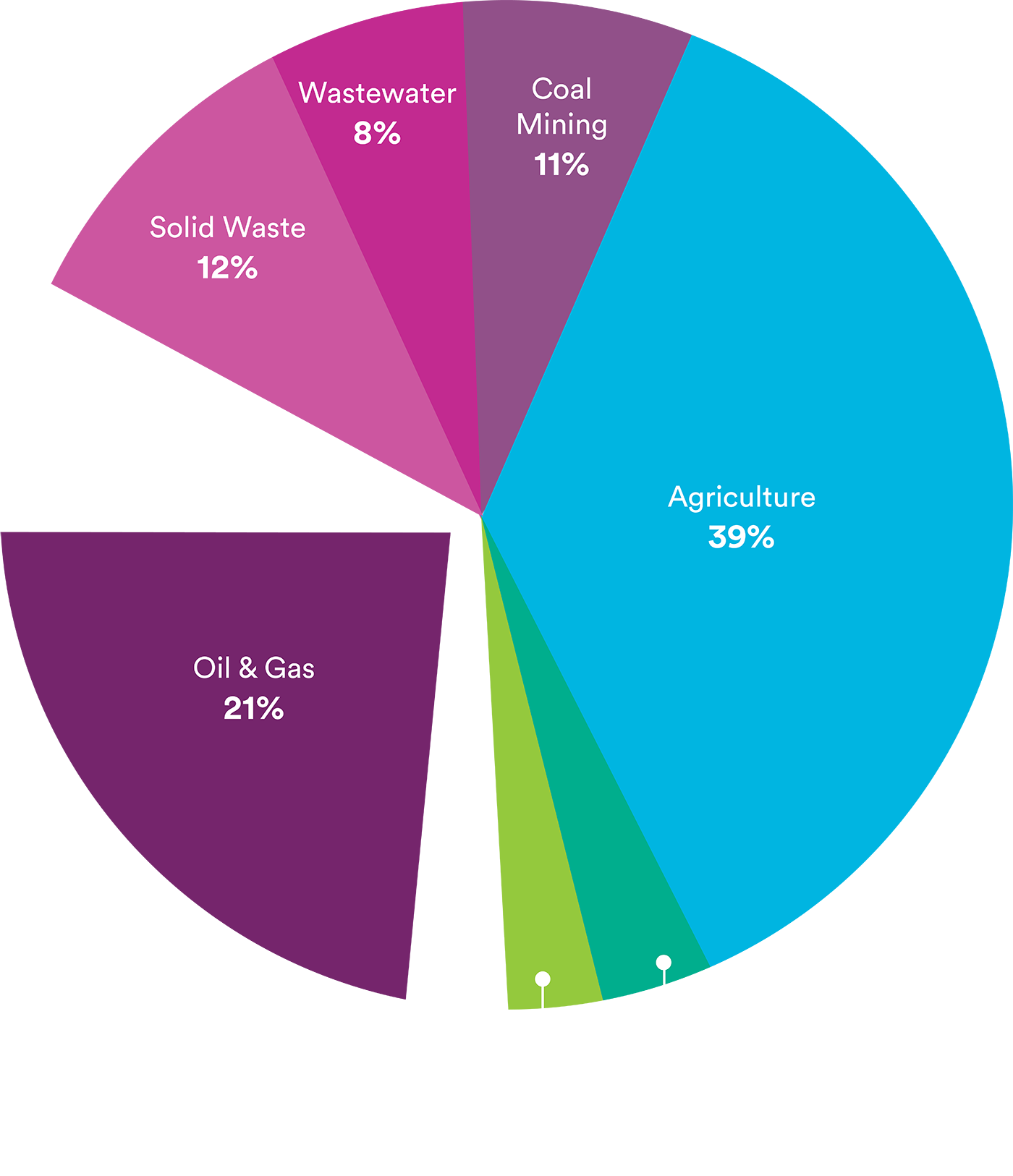
The oil and gas sector is the world’s second largest source of anthropogenic methane emissions, accounting for 21% of the global total. Every year, oil and gas companies around the world leak, flare, and vent billions of dollars worth of methane-containing natural gas during oil and gas production, processing, and transportation. The increasing availability of low-cost methane mitigation technology in the oil and gas sector creates an unparalleled opportunity to slow the rate of global warming and reduce warming in our lifetimes.
Oil and gas methane comes from 3 main sources
Leaks
The unintentional release of natural gas from improperly functioning equipment or wells throughout the oil and gas supply chain.
Venting
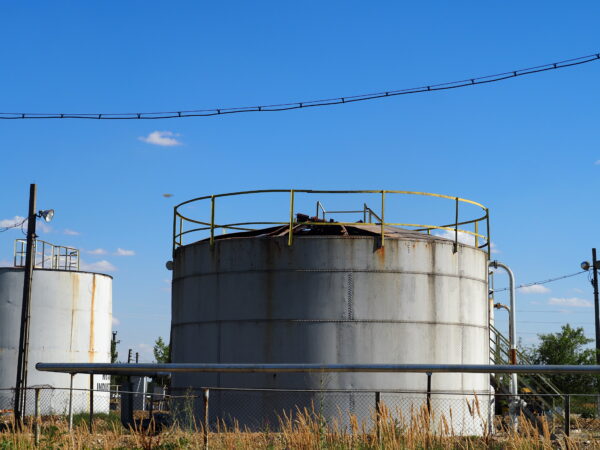
The intentional release of natural gas from equipment used throughout the oil and gas supply chain (e.g. pneumatic equipment, compressors, tanks, well completions, dehydrators, wellheads, and pipelines).
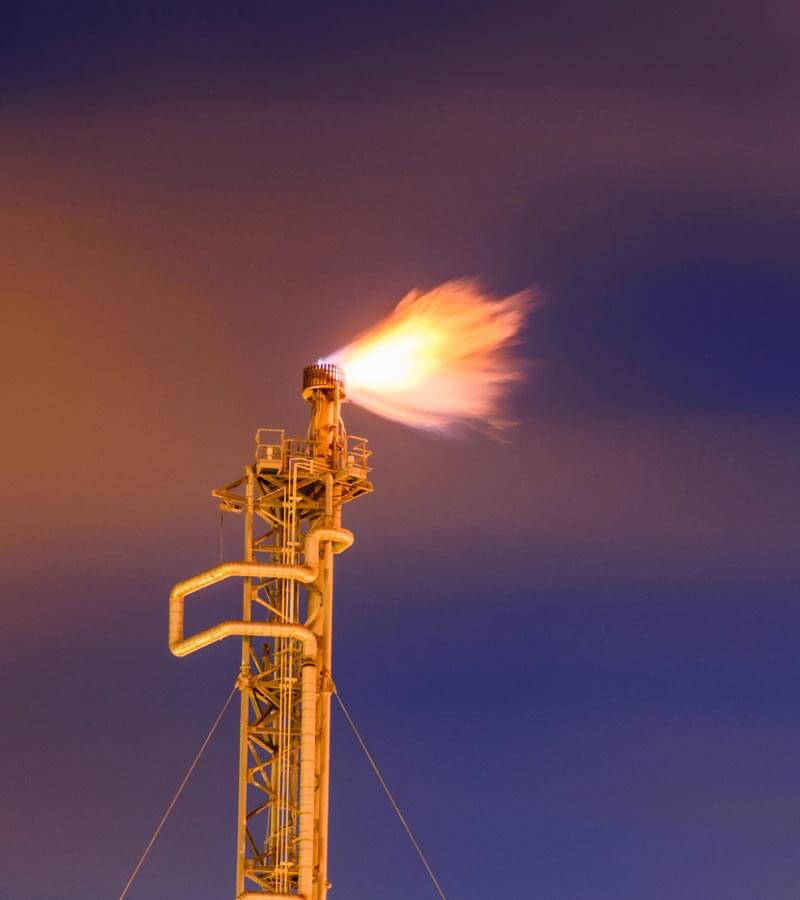
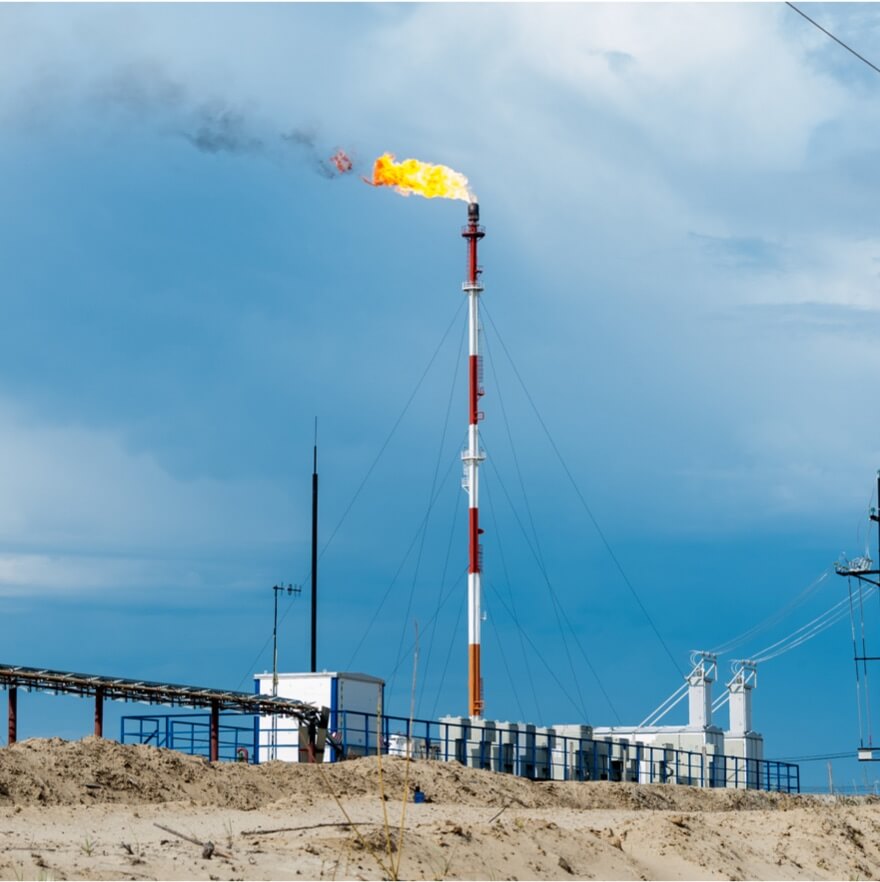
Flaring
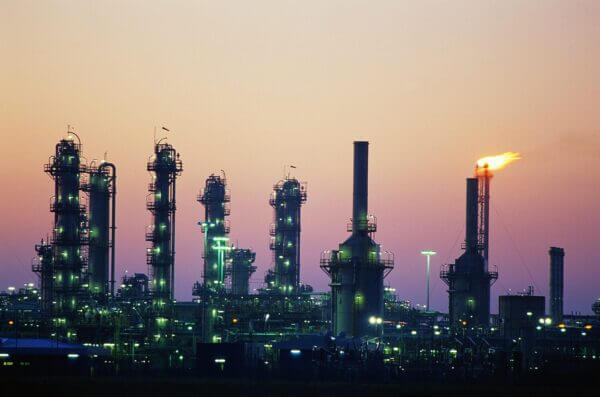
The burning or direct release of unwanted natural gas during oil and gas production.

Sources of Methane Emissions
Why address oil and gas methane?
- The International Energy Agency estimates that globally, a 76% reduction in oil and gas methane is possible with today’s technology, and a 39% reduction is possible at no net cost.
- Solutions to mitigate oil and gas methane also reduce toxic pollutants released alongside methane, improving public health.
- Capturing and using oil and gas methane boosts efficiency, reduces waste, and bolsters energy security.
Tackling methane pollution from oil and gas
We can solve the problem of waste methane pollution through better waste management practices.
We can take action now
Strong regulations are key to achieving deep methane reductions. Effective measures include:
- Requiring companies to regularly find and fix leaks at all new and existing facilities across the industry
- Mandating the use of modern, zero-emission equipment in the production, processing, transmission, and storage segments
- Strictly limiting routine flaring of associated gas at oil wells and prohibiting the venting of this gas
- Improving the accuracy of methane inventories by measuring and reporting methane emissions in a standardized and transparent manner
…but challenges persist
Current barriers to methane mitigation in the oil and gas sector include, but are not limited to:
- Weak regulations and enforcement
- Lack of data on methane emissions across the oil and gas supply chain
- Lack of access to best practices and evidence-based methane mitigation measures
- Lack of funding and incentives to implement emission reduction technologies
Our work in oil and gas methane
CATF works to dramatically prevent and reduce methane emissions from oil and gas operations worldwide. CATF provides technical assistance and support to countries interested in developing strong methane policies grounded grounded in proven technologies and strategies. Our work includes:
- Engaging with governments around the world to support the development of new or enhanced oil and gas methane policies, conduct detailed assessments of methane emissions, building capacity through education, training, technical assistance, policy design, and peer-to-peer knowledge sharing.
- Building new market pathways to accelerate the adoption globally of solutions that can dramatically cut methane, such as the use of country, regional and global import standards.
- Developing new and innovative tools—like the Country Methane Abatement Tool (CoMAT)—to increase understanding of oil and gas methane emissions, sharing data, best practices, and solutions to spur action.
- Leading advocacy campaigns to expose methane pollution and accelerate action.
- Spearheading cutting-edge research and analysis on methane mitigation policies and approaches.

Latest updates in oil and gas methane


Country Methane ABatement Tool
Estimate and mitigate national oil and gas methane emissions
Countries often lack the technical capacity and tools needed to identify high-impact methane mitigation opportunities in the oil and gas sector. The Country Methane Abatement Tool (CoMAT) is a free, easy-to-use software developed by CATF to help governments and stakeholders estimate methane emissions and develop comprehensive mitigation plans for oil and gas operations. CoMAT enables users to build a robust methane emissions inventory, explore leading methane regulations, and identify key policies and technologies needed to achieve emissions reduction targets. Users can rely on default assumptions or input their own data to develop tailored mitigation plans.
Fossil Fuel Regulatory Programme
Move from pledges to action
Developing countries make up two thirds of the top methane emitters in the energy sector. As methane continues to drive climate change and harm public health, there is growing demand for tangible and achievable methane reduction strategies and plans in these countries.
The Fossil Fuel Regulatory Programme (FFRP) is a joint effort by the Climate and Clean Air Coalition (CCAC) and CATF to support developing countries in reducing methane emissions from the fossil fuels sector. From mid-2024 to mid-2027, FFRP will provide tailored support to up to 20 developing country governments to build regulatory capacity, develop or strengthen methane policies, and improve enforcement. Projects will be developed based on requests from ODA-eligible governments and evaluated based on national ambition and sector size. FFRP builds on CCAC and CATF’s proven track record of successful methane mitigation partnerships in countries like Nigeria, Iraq, and Colombia.

CATF’s Cut Methane Campaign
Shine light on hidden methane pollution
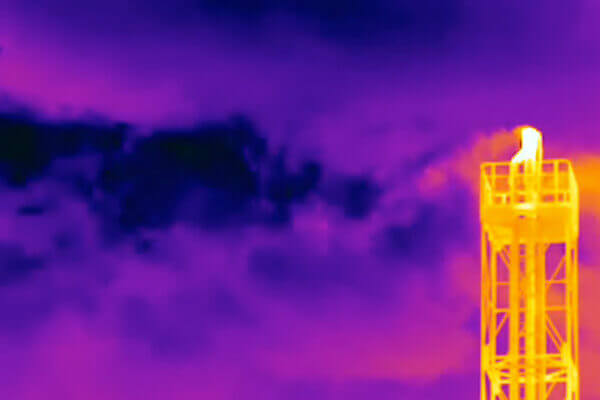
Methane pollution from oil and gas operations is often invisible, but CATF’s Cut Methane Campaign makes it impossible to ignore. Through this campaign, CATF exposes the hidden methane pollution using an optical gas imaging (OGI) camera, a powerful handheld device that visualizes certain gases using infrared sensors. Since 2021, CATF has filmed over 600 sites across 19 countries, revealing far more emissions than reported. By making invisible methane leaks visible, the campaign equips regulators, companies, and the public to demand accountability and smarter policies, including bans on routine venting and flaring, mandatory leak detection and repair, and equipment standards.
Related resources
Meet our experts working on
oil and gas methane
-

Jonathan Banks
Global Director, Methane Pollution Prevention -

David McCabe
Senior Scientist -

James Turitto
Director, Oil and Gas Methane, Methane Pollution Prevention -

Lesley Feldman
Director, Research and Analysis -

Heny Patel
Senior Program Analyst, Methane Pollution Prevention -

Paula García Holley
Senior Manager, Latin America Policy, Methane Pollution Prevention -

Théophile Humann-Guilleminot
Senior Campaign Manager, Methane Pollution Prevention -

Mohammed Dahiru Aminu
Africa Policy Manager, Methane Pollution Prevention -

Alfredo Miranda-González
Deputy Director, International Methane -

Zitely Tzompa Sosa
Research Manager, Methane Pollution Prevention
