
Our Work
Advanced Nuclear Energy
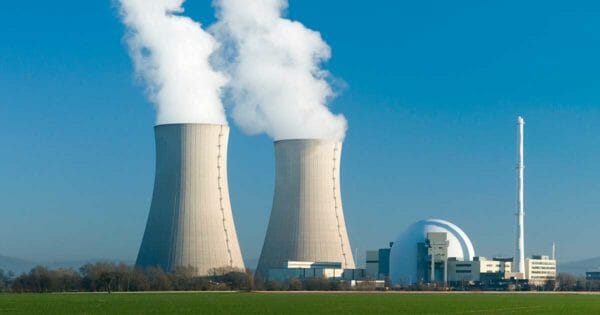
Nuclear energy has great potential to decarbonize the world energy system at the scale and speed needed to meet the climate challenge.
Nuclear energy is a proven, clean energy source that can operate 24/7, providing reliable baseload power. It is essential for meeting growing global energy demands without increasing harmful greenhouse gas emissions, especially in sectors that are difficult to electrify, such as heavy industry, transportation, and heat.

The latest in advanced nuclear energy









Sign up today to receive the latest content from CATF experts.
Our impact in nuclear energy
Our Goal
Creating an ecosystem in which nuclear capacity is delivered efficiently, affordably, and responsibly to decarbonize global energy systems by 2050.
Our mission is to accelerate nuclear fission energy deployment at scale and speed to meet global climate, energy demand, and economic goals by creating the necessary conditions for rapid, cost-effective deployment through catalyzing private and public sector action.
Achievements
CATF played significant roles in the following developments in recent years:
- First major environmental NGO to advocate for clean nuclear energy to decarbonize and help meet global decarbonization goals.
- Launched the Nuclear Scaling Initiative, in partnership with the EFI Foundation, and the Nuclear Threat Initiative to build a new nuclear energy ecosystem that can quickly and economically scale to 50+ gigawatts of safe and secure nuclear energy globally per year by the 2030s.
- Advocated for the modernization of the U.S. Nuclear Regulatory Commission’s licensing regulations. Authored and successfully lobbied three acts of Congress for support and NRC reform.
- Participation in the European SMR Industrial Alliance – providing expert contributions to three technical working groups on supply chains, financing and applications.
- Conceptualized pathways for ambitious federal support for nuclear energy in the U.S., informed by collaboration and partnership with public and private stakeholders. Worked with Edison Electric Institute to get $60 Billion in Inflation Reduction Act.
- Recommendations reflected in the European Commission’s Nuclear Illustrative Programme (‘PINC’) 2025 update.
- Developed and delivered cross-sectoral and global decision maker education sessions focused on effective, coordinated, and impactful policy for nuclear energy deployment.
- Shaped the European Commission’s RePowerEU Roadmap on nuclear supply chains diversification. The Commission adopted several CATF suggestions, including accelerating domestic nuclear fuel development, introducing trade measures to reduce reliance on Russian fuel, and requiring Member States to create transparent, actionable national plans.
- Offered deep factual background on nuclear energy through a regular course in partnership with MIT that has educated 100s of government decision makers, civil society advocates, journalists, and philanthropists.
- Testified in U.S. state legislatures in favor of bills that support the safe expansion of nuclear energy, de-risk projects, and provide necessary nuclear energy policy reform.
- Launched a first-of-its-kind re-grant program for NGOs and think tanks in Poland, Czechia, Romania and Brussels – a key initiative to build up national civil society nuclear energy capacity within these countries. Developed tailored policy, regulatory, and industry incentive analyses and recommendations for scaling nuclear energy.
Nuclear Energy Orderbooks 101: Enabling Cost-Effective Nuclear Deployment in Europe
EU Member States expect to deploy at least 60 GW of new nuclear capacity by 2050 to meet its climate and energy security goals. But without greater coordination, the bloc risks a fragmented rollout of new nuclear energy: duplicated efforts, spiralling costs, underinvested supply chains, and project delays.
This fact sheet outlines how nuclear orderbooks can help Member States deliver reliable, cost effective nuclear energy while avoiding the inefficiencies of fragmented deployment.
Actions to Address Executive Order 14300: Reforming the Nuclear Regulatory Commission
Executive Order 14300, Reforming the Nuclear Regulatory Commission, represents a fundamental shift in how the federal government directs the licensing and regulation of civilian nuclear energy.
The Executive Order reframes the NRC’s mission. Rather than focusing exclusively on risk minimization, the Commission is directed to weigh the benefits of nuclear energy to economic and national security alongside traditional safety, health, and environmental considerations.
Below are actions to address the NRC Executive Order in the short and medium term.
Related resources
Nuclear Scaling Initiative
The Nuclear Scaling Initiative (NSI) is a collaborative effort of Clean Air Task Force, the EFI Foundation, and the Nuclear Threat Initiative to build a new nuclear energy ecosystem that can quickly and economically scale to 50+ gigawatts of safe and secure nuclear energy globally per year by the 2030s.
NSI’s plan for revolutionizing how nuclear energy is constructed, financed, and regulated will advance climate goals, spark economic development, expand energy access, and ensure that nuclear technology is used for only peaceful purposes.
Meet our experts working in nuclear
-

Armond Cohen
Executive Director -

Malwina Qvist
Director, Nuclear Energy Program -

Victor Ibarra
Senior Manager, Nuclear Energy -

Emilia Janisz
Advisor, EU and Central and Eastern Europe Nuclear Energy Advocacy -

Amy Patrickson
Senior Project Manager, Nuclear Scaling Initiative -

Lindsey Popken
Program Implementation Manager, Nuclear Energy Program
