
Unlock abundant, clean energy in Europe
The European Commission has committed to delivering a Geothermal Action Plan for the EU. Let’s make sure it strengthens our energy system by supporting innovative next-generation pathways that make geothermal possible anywhere, anytime.
Benefits of next-generation geothermal
The EU has an opportunity to lead in geothermal innovation with a strong Geothermal Action Plan. Next-generation geothermal pathways, such as enhanced geothermal systems, closed-loop geothermal systems, and these systems in superhot geothermal environments, could provide large-scale, cost-competitive, zero-carbon heat and power to the bloc.
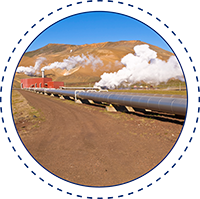
Secure energy independence

Drive sustainable economic growth

Enhance global competitiveness
Actions for EU policymakers
- Build out a strong Action Plan on Geothermal Energy that advances the full spectrum of geothermal technologies and applications, covering not only heating and cooling but also electricity production and industrial decarbonisation.
- Explicitly address next-generation geothermal pathways like superhot rock – Europe’s opportunity to unlock clean firm electricity and heat at scale. Bespoke support is important to ensure funding, policy focus, and private sector confidence.
- Make sure a defined number of next-generation geothermal demonstration projects take off by 2030. This will build experience, generate data, and position the EU as a leader in geothermal innovation.
- Back next-generation geothermal with targeted funding. Expand support for superhot rock, enhanced, and advanced geothermal systems through direct R&D grants, subsidised loans, and cost-sharing programmes that reduce risk and unlock private capital.
- Standardise permitting processes across the Union, reflecting existing best practice examples.
- Set up an EU data repository to aggregate, standardise, and share geothermal data.
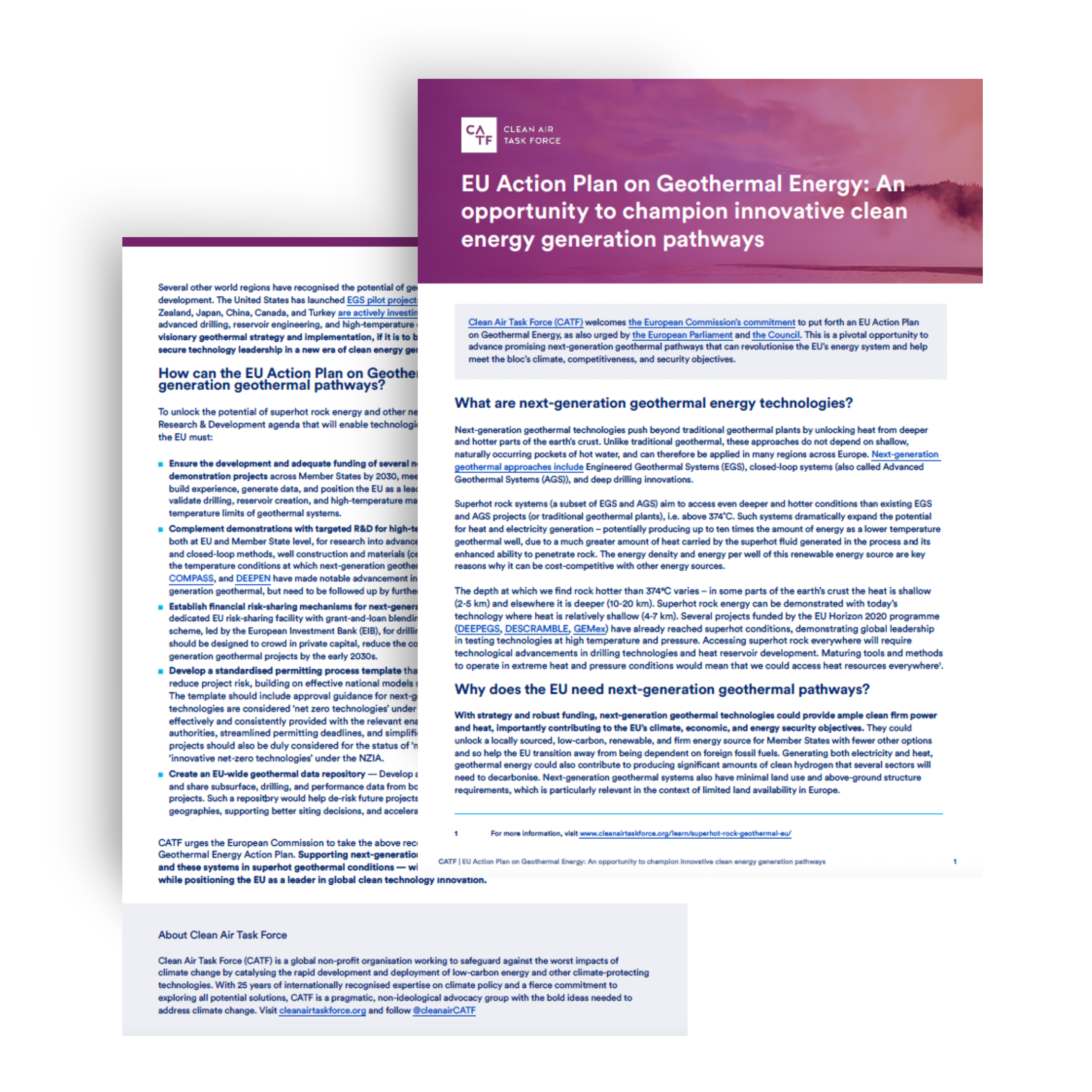
EU Action Plan on Geothermal Energy: An opportunity to champion innovative clean energy generation pathways
The European Commission’s commitment to put forth an EU Action Plan on Geothermal Energy is a pivotal opportunity to advance promising next-generation geothermal pathways that can revolutionise the EU’s energy system and help meet the bloc’s climate, competitiveness, and security objectives.
This paper explores next-generation geothermal energy technologies, why the EU needs them, and how the EU Action Plan on Geothermal Energy can advance next-generation geothermal pathways.
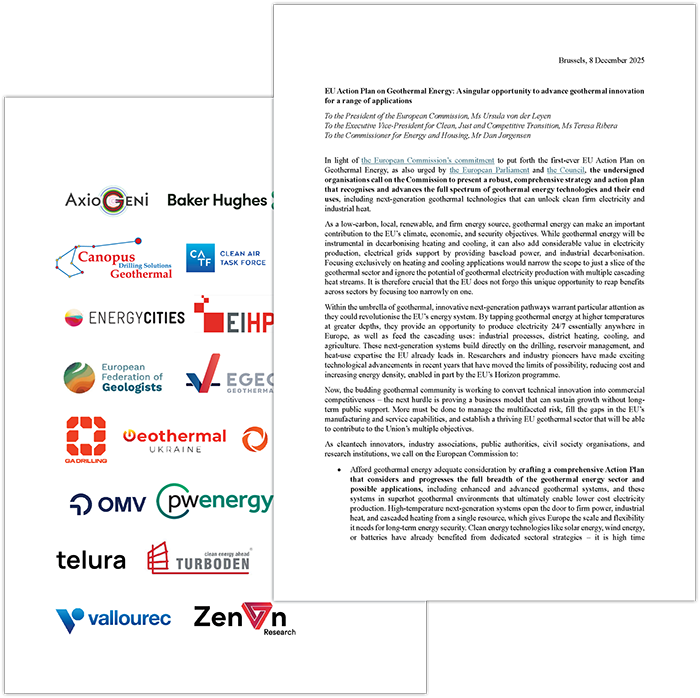
Joint letter to EU leaders calling for a comprehensive Action Plan on Geothermal Energy
More than 20 organisations across EU’s energy ecosystem published a joint letter calling on the European Commission to ensure the forthcoming EU Action Plan on Geothermal Energy reflects the full spectrum of geothermal technologies — including next-generation high-temperature systems, that with investment, could be capable of producing around-the-clock clean power and industrial heat at an affordable price.
An enormous opportunity to
unlock vast amounts of clean energy
900,000
Superhot rock geothermal potential spreads across 9% of Europe’s land area (900,000 sq km) at depths below 12.5 km, providing Europe access to superhot rock across the continent.
2.1 TW
Just 1% of superhot rock geothermal potential in Europe could produce 2.1 terawatts of clean firm power – enough energy to power Berlin 1,400 times over.
24/7
Superhot rock geothermal is a high-capacity power supply with a small land footprint, available 24/7, almost anywhere on Earth.
Explore the potential of superhot rock geothermal in Europe, as well as the potential by Member State.
What could superhot rock geothermal do for the EU?
With the right funding and policy support, superhot rock geothermal could revolutionise the EU’s energy system.

Strengthen the EU’s energy system
- Boost EU energy security and reduce reliance on imported fuels
- Produce 5-10 times the electricity per well, of conventional geothermal
- Support industrial decarbonisation with a reliable clean energy source

Benefit the EU’s economy
- Deliver stable, competitive energy prices
- Create quality jobs for workers transitioning from other energy sectors
- Strengthen industrial competitiveness with abundant, direct heat and power

Position the EU as a global leader
- Unlock inexhaustible resources available across all EU member states
- Unlock a market with multi-billion-euro potential
- Establish the EU as a global leader in next-generation clean energy

How does superhot rock geothermal work?
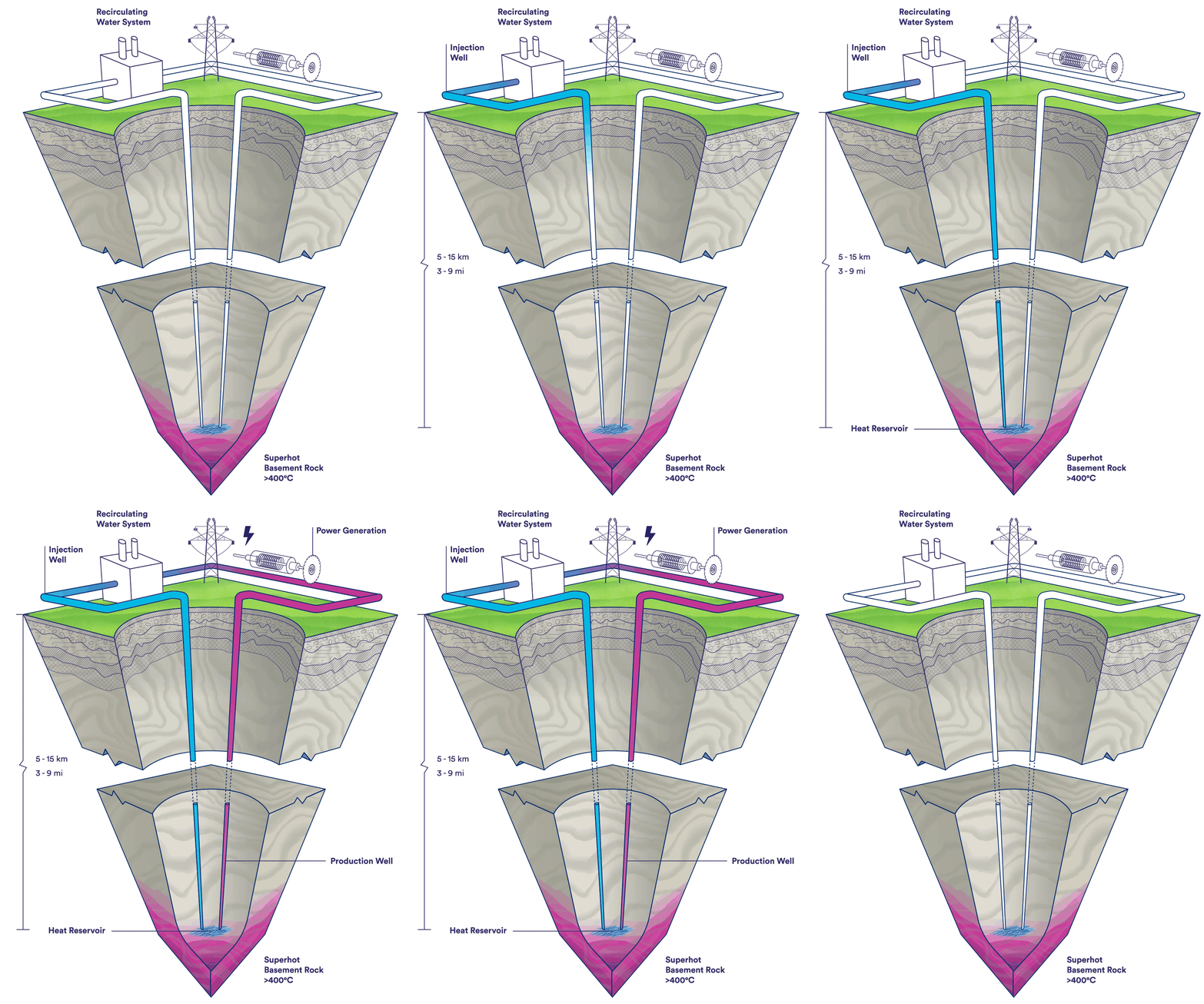
In a superhot rock system, water is injected deep into hot rock, heated, and returned to the Earth’s surface as steam that can be used to produce power in electric turbines or to generate hydrogen using a high temperature process.
Superhot rock geothermal could have a few distinct advantages over other energy sources. It is projected to be affordable, requiring little area to produce large amounts of energy (high energy density) due to the very large amount of energy that can be produced per well. Superhot rock is expected to produce five to ten times as much energy as the power produced from one of today’s commercial geothermal wells.
- Superhot rock geothermal “mines” deep at very high temperature and heat in the Earth’s crust. This contrasts with today’s small (~15 GW globally) commercial geothermal industry that typically depends on upwelling of hot groundwater at locations with high near surface heat.
- Superhot rock injects water into superhot dry crystalline rock by opening existing fractures at a depth where water is so hot it possesses properties of both liquids and gasses, allowing injected water to travel rapidly through existing rock fractures and gather very large volumes of heat energy.
- Production wells bring this steam energy to the surface to produce power in electric turbines and/or to generate hydrogen.
Resources




Stay in the know
Sign up to receive updates on next-generation geothermal in the EU
"*" indicates required fields
