
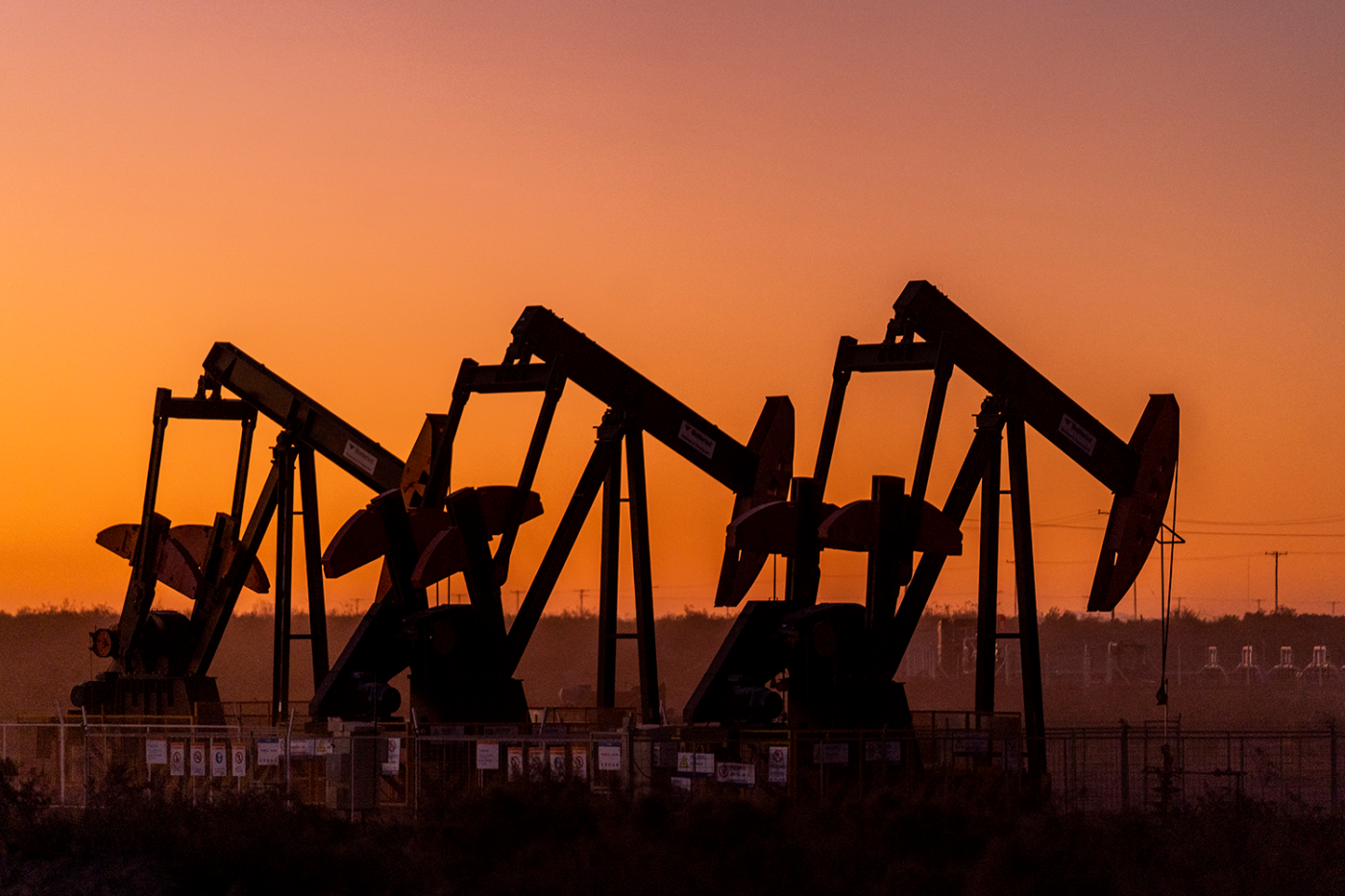
The province of Neuquén, Argentina, joins the Fossil Fuel Regulatory Programme to develop methane regulations for its oil and gas sector
Neuquén, Argentina – The province of Neuquén, Argentina, has joined the Fossil Fuel Regulatory Programme (FFRP), a country-driven initiative led by Clean Air Task Force (CATF) and the Climate and Clean Air Coalition (CCAC) that supports governments in strengthening regulatory frameworks to reduce methane emissions from their energy sectors.
Reducing methane emissions is one of the fastest and most cost-effective ways to slow the rate of near-term warming while also delivering benefits for air quality, public health, and sustainable development. The energy sector presents significant opportunities for emissions reductions through improved monitoring, regulation, and compliance.
Launched in September 2024, the FFRP supports governments in building the regulatory infrastructure needed to identify and reduce methane emissions from oil, gas, and coal operations. Participants shape the support they receive according to national and subnational priorities, with each engagement informed by an assessment of existing regulatory frameworks and the joint development of a tailored workplan.
“The province of Neuquén encompasses the majority of Vaca Muerta, which is Argentina’s leading basin for unconventional hydrocarbon production,” said Santiago Nogueria, Deputy Secretary of Climate Change for the Government of Neuquén. “We have committed to low-emissions development, and methane mitigation is the priority in the decarbonization process for the oil and gas sector. Our collaboration with CCAC and CATF gives us access to international technical expertise to keep strengthening the regulatory framework we began building in 2024.”
Through the FFRP, CCAC and CATF will work with the Undersecretary of Climate Change of the province of Neuquén to develop methane emission regulations that cover mitigation and monitoring while also strengthening the technical capacities of the Undersecretary by providing hands-on experience with emission detection technologies.
“Effective regulation is what turns methane commitments into real-world reductions,” said Martina Otto, Head of the Climate and Clean Air Coalition Secretariat at UNEP. “Stronger methane regulation can deliver tangible benefits at home, from cleaner air to a more efficient energy sector, while contributing to one of the fastest opportunities we have to slow global warming.”
“Neuquén sits at the center of Argentina’s oil and gas industry, and how it tackles methane can serve as a model other producing regions in Argentina can look to as they build their own regulatory frameworks,” said James Turitto, Director, Oil and Gas Methane, Methane Pollution Prevention at CATF. “CATF together with CCAC can provide the technical and policy support to turn that leadership into lasting regulatory change.”
Support provided through the FFRP is developed in collaboration with national and subnational counterparts and tailored to each participant’s regulatory context. It may include capacity strengthening for government officials and regulators, development of monitoring, reporting, and verification frameworks, and assistance with regulatory design and compliance.
With the addition of Neuquén province, the FFRP now supports eight programs across seven countries: Bosnia and Herzegovina, Brazil, Ghana, Egypt, Kazakhstan, and Iraq joined the programme in its initial phase and are working with CCAC and CATF to identify and address methane emissions from their energy sectors through nationally defined priorities and approaches.
This Programme is funded through the CCAC Trust Fund and does not provide support to private sector fossil fuel stakeholders or fund activities that would extend or expand fossil fuel operations.
Learn more about the Fossil Fuel Regulatory Programme here.
Press Contacts
Steve Reyes, Communication Manager, [email protected], +1 562-916-6463
Ava Bahrami, Communications Officer, Climate and Clean Air Coalition Secretariat at United Nations Environment Programme, [email protected]
About Clean Air Task Force
Clean Air Task Force (CATF) is a global nonprofit organization working to safeguard against the worst impacts of climate change by catalyzing the rapid development and deployment of low-carbon energy and other climate-protecting technologies. With 30 years of internationally recognized expertise on climate policy and a fierce commitment to exploring all potential solutions, CATF is a pragmatic, non-ideological advocacy group with the bold ideas needed to address climate change. CATF has offices in Boston, Washington D.C., and Brussels, with staff working virtually around the world. Visit catf.us and follow @cleanaircatf.
About the Climate and Clean Air Coalition (CCAC)
The Climate and Clean Air Coalition (CCAC) is a voluntary partnership of over 200 governments, intergovernmental organizations, businesses, scientific institutions and civil society organizations committed to protecting the climate and improving air quality through actions to reduce the super pollutants which are short-lived in the atmosphere: methane, black carbon, tropospheric ozone and HFCs, through a practical, measures-based approach.
The Coalition’s work is grounded in robust science and analysis and supported by a dedicated Trust Fund, which together have fostered high-level political commitment, in-country implementation, and tools that strengthen the case for action and accelerate action and results.

