
Ghana’s EPA and CATF strengthen climate leadership through methane regulation


Contributing author: Lawrence Kotoe, Ghana Environmental Protection Authority
Ghana has taken another decisive step in its journey to cut methane emissions from the oil and gas sector. The Environmental Protection Authority (EPA), in collaboration with Clean Air Task Force (CATF), under the Climate and Clean Air Coalition’s Fossil Fuel Regulatory Programme (FFRP), hosted a final stakeholder consultation meeting in October on the Technical Requirements for Inspection and Monitoring of Methane in Oil and Gas Operations.

The consultation marked the conclusion of an extensive multi-year process that began with the drafting of the Environmental Protection (Petroleum) Regulations, 2025 – where CATF provided technical input to the sections on fugitive methane emissions, including leak detection and repair, venting and flaring controls, and equipment performance standards.
The process now focuses on the development of the technical framework that will guide implementation of the regulations. The framework, expected to be formally adopted by the EPA in the coming weeks, will operationalize the new regulations by providing detailed technical procedures for inspections, repairs, and reporting across the oil and gas value chain. Once adopted, it will enable Ghana to translate methane policy commitments into enforceable field practices that will improve emissions monitoring, compliance, and transparency across the sector.
This achievement demonstrates Ghana’s growing leadership in translating climate ambition into measurable action and offers a practical model for other countries across the region.
From legislation to practical action
The consultation, held on October 14, 2025, brought together representatives from government agencies, national institutions, and private-sector organizations across Ghana’s petroleum industry. Participants included officials from the EPA, the Ministry of Environment, Science and Technology (MEST), the Petroleum Commission, the Ghana National Petroleum Corporation (GNPC), and leading oil and gas operators.
The meeting provided a platform for the review and final validation of the methane guidelines. It built on previous rounds of technical review, incorporating extensive feedback from both regulators and operators to ensure that the final document is realistic, science-based, and aligned with Ghana’s national climate commitments. The workshop also created space for participants to discuss the mechanisms for implementation, verification, and long-term monitoring of methane emissions in the sector.
The October consultation was characterized by its inclusive and participatory approach. Participants broke into smaller groups to review the draft provisions and data systems, providing detailed feedback that will be incorporated into the final version of the guidelines. This collaborative process strengthened coordination among government agencies, industry operators, and civil society, and reinforced a shared commitment to aligning industry operations with Ghana’s climate goals and environmental standards. Through fostering transparency and joint ownership, the EPA has built a strong foundation for long-term compliance and continuous improvement as the guidelines move toward adoption.
Through the partnership, CATF has supported Ghana in developing the methane regulatory framework, conducting technical analysis, and organizing capacity-building sessions for regulators and operators. The collaboration has ensured that Ghana’s framework is both globally informed and locally relevant. In the next phase, CATF and the EPA plan to facilitate a regional knowledge exchange with other African regulators to share lessons and best practices on methane management. This ongoing collaboration will help ensure that implementation is grounded in strong institutional capacity and data-driven decision-making using tools such as the Country Methane Abatement Tool (CoMAT).
A comprehensive framework for methane management
Methane is a short-lived but highly potent greenhouse gas, with a global warming potential more than 80 times greater than that of carbon dioxide over a twenty-year period. Ghana’s methane management efforts are central to achieving its targets under the Paris Agreement and the Global Methane Pledge, which aims to reduce global methane emissions by at least 30 percent by 2030. The new framework also supports Ghana’s Nationally Determined Contribution (NDC) and its National Action Plan on Short-Lived Climate Pollutants (SLCPs).
The methane guidelines serve as the operational extension of the Environmental Protection (Petroleum) Regulations, 2025 on issues related to emissions. While the regulations define the legal authority for controlling methane emissions, the guidelines provide detailed technical instructions for how facilities must operate to achieve compliance. They outline how inspections, repairs, data collection, and emissions reporting will be carried out to ensure consistency across the oil and gas value chain. They apply to onshore and offshore facilities, gas processing plants, compressor stations, refineries, and storage terminals.
Key provisions include:
- Leak Detection and Repair (LDAR): Operators are required to conduct regular inspections using technologies such as optical gas imaging or laser-based detection. The frequency of inspections will increase progressively over the first three years of implementation to ensure more consistent and comprehensive monitoring of methane emissions.
- Repair Requirements: All detected leaks must be repaired promptly. Large leaks of 50,000 parts per million per volume (ppmv) or greater must be repaired within five working days, while smaller leaks of 5 000 ppmv must be repaired within fourteen days (except for critical components that cannot be repaired without a shutdown of the facility).
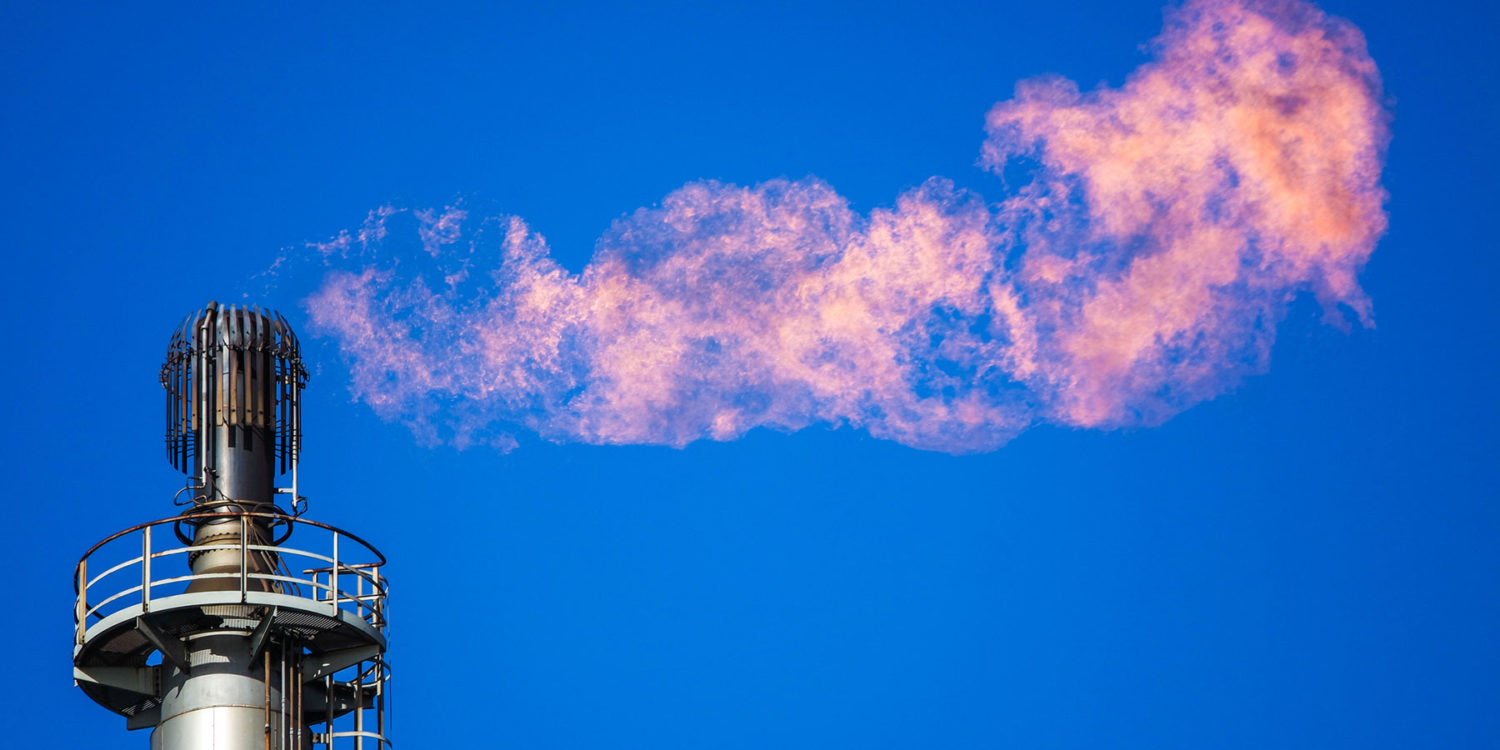
- Venting and Flaring Controls: Routine venting is prohibited, and flaring is limited to exceptional circumstances such as emergencies or safety-related events. Flares must achieve at least 98 percent destruction efficiency. Flares must be monitored, and unlit or poorly combusting flares must be repaired or replaced within strict timelines.
- Equipment Standards: The guidelines establish emission control measures for compressors, glycol dehydrators, storage tanks, pneumatic controllers and pumps, and well unloading operations. They require vapor recovery systems, combustion controls, and, where feasible, the replacement of gas-driven pneumatic devices with zero-emission alternatives.
- Reporting and Recordkeeping: Operators must use a standardized electronic reporting template to document emissions data, inspection activities, and mitigation actions. These reports will support compliance verification by the EPA and contribute to the national greenhouse gas inventory.
This framework will ensure that methane mitigation becomes a measurable and enforceable part of petroleum operations in Ghana. Through the clarification of technical expectations and procedures, the guidelines promote both environmental accountability and operational efficiency.
Looking ahead
With the consultation process complete, the EPA will finalize and publish the methane guidelines to accompany the Environmental Protection (Petroleum) Regulations, 2025. The next phase of work will focus on capacity development for inspectors, establishing data-management systems, and supporting operators as they integrate the new requirements into their operational practices.
The guidelines strengthen Ghana’s position as a leader in methane management and mitigation and provide a model for other countries in the region seeking to translate climate commitments into measurable results. They also highlight the value of sustained technical partnerships that combine national leadership with international support.
Ghana’s progress demonstrates how science-based policymaking, institutional coordination, and global collaboration can produce concrete outcomes for both climate and development. It highlights that methane reduction is both a climate priority and also an opportunity to improve efficiency, reduce waste, and foster sustainable energy practices.
The completion of this process is a major milestone for the EPA and its partners. It reflects years of collaboration and shared commitment to reducing methane emissions. With the final consultation now concluded, the EPA is finalizing the Technical Requirements for Inspection and Monitoring of Methane in Oil and Gas Operations in Ghana for formal adoption and publication. These guidelines will accompany the Environmental Protection (Petroleum) Regulations, 2025, to establish a complete legal and technical framework for methane management in Ghana. Once published, the final regulations and guidelines will be available on the EPA Ghana website for public access. This achievement demonstrates Ghana’s growing leadership in translating climate ambition into measurable action and offers a practical model for other countries across the region.

