
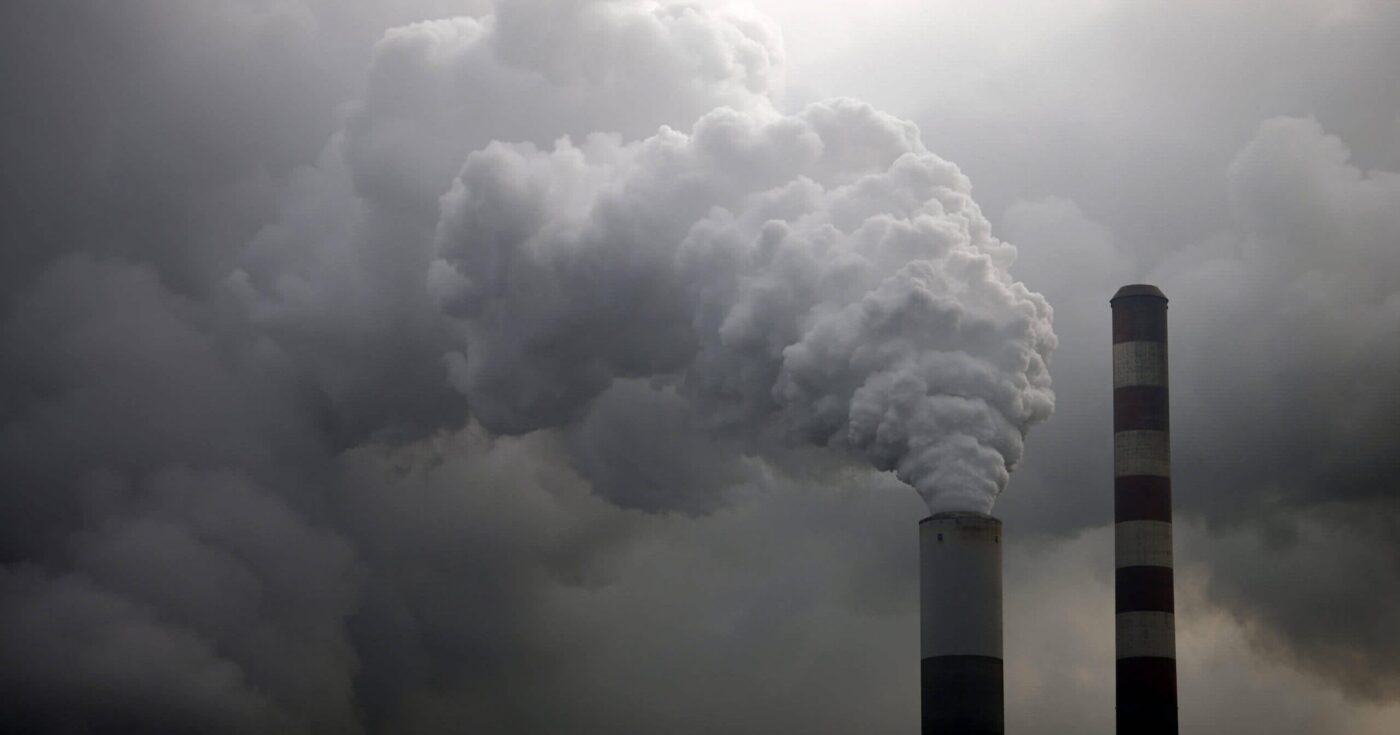
Coal power plant air pollution linked to over 6,600 premature deaths and $100 billion in damages annually, new CATF analysis finds
Clean Air Task Force (CATF) released an updated analysis of its Toll from Coal modeling tool, which analyzes nearly 200 coal-fired power plants that emit thousands of tons of sulfur dioxide and nitrogen oxides, both of which expose people across the country to harmful soot and smog. The analysis uses 2024 data and models annual attributable deaths and other health and economic risks associated with coal-fired power pollution.
“Air pollution from coal-fired power plants continues to cause preventable illness and premature death across the country, placing an especially heavy burden on communities living near these facilities,” said John Graham, senior scientist at CATF. “Exposure to soot and smog from these power plants contributes to more than 6,600 premature deaths, nearly 2,000 non-fatal heart attacks, and over 15,000 new asthma diagnoses each year. These health impacts are responsible for hundreds of thousands of missed days of school and work, imposing more than $100 billion in annual societal costs. The science is clear: reducing pollution from coal-fired power plants is one of the most effective actions we can take to protect public health.”
Toll from Coal also models the human health costs of continued operation of plants that had reported planned retirement dates between 2025 and 2028, but either have been or may be ordered to stay open by the U.S. Department of Energy under section 202(c) the Federal Power Act.
“Pollution from coal plants has harmed public health for decades, and dozens of plants have been set to retire now through 2028 and replaced with cleaner, more reliable, and more affordable energy sources,” said Frank Sturges, senior attorney at CATF. “Recently, however, the Department of Energy has begun to issue unlawful orders forcing aging coal plants to continue operating beyond their planned retirement dates, despite a lack of necessary evidence or the legal authority to do so. Allowing plants planned to close by 2028 to retire on schedule rather than forcing them to remain open is estimated to save more than $28 billion in health-related costs and prevent nearly 2,000 deaths across the United States.”
CATF has tracked emissions and adverse health consequences from coal-fired power plants since 2000. This tool uses 2024 emissions of SO2 and NOx reported to EPA’s Clean Air Markets Program. Emissions of direct PM2.5 and VOCs are derived from reported heat input data and unit-specific emission rates. COBRA v5.2 was used to model emissions from each power plant.
Press Contact
Samantha Sadowski, Senior Communications Manager, U.S., ssadowski@catf.us, +1 202-440-1717
About Clean Air Task Force
Clean Air Task Force (CATF) is a global nonprofit organization working to safeguard against the worst impacts of climate change by catalyzing the rapid development and deployment of low-carbon energy and other climate-protecting technologies. With 30 years of internationally recognized expertise on climate policy and a fierce commitment to exploring all potential solutions, CATF is a pragmatic, non-ideological advocacy group with the bold ideas needed to address climate change. CATF has offices in Boston, Washington D.C., and Brussels, with staff working virtually around the world. Visit catf.us and follow @cleanaircatf.

