

What the King saw: How methane action can slow warming in our lifetimes
It was unusually hot at St. James’s Palace. Across Europe, temperatures were breaking records.
The heat was not the point of the gathering, but it made the point.
On June 24, His Majesty The King attended a UK government-led reception bringing together leaders from government, science, philanthropy and business to accelerate action on super pollutants.
Methane has already caused nearly a third of current warming. Because it remains in the atmosphere for far less time than carbon dioxide, cutting methane can slow the rate of warming within our lifetimes.
We have the tools to do it. What we need is implementation.
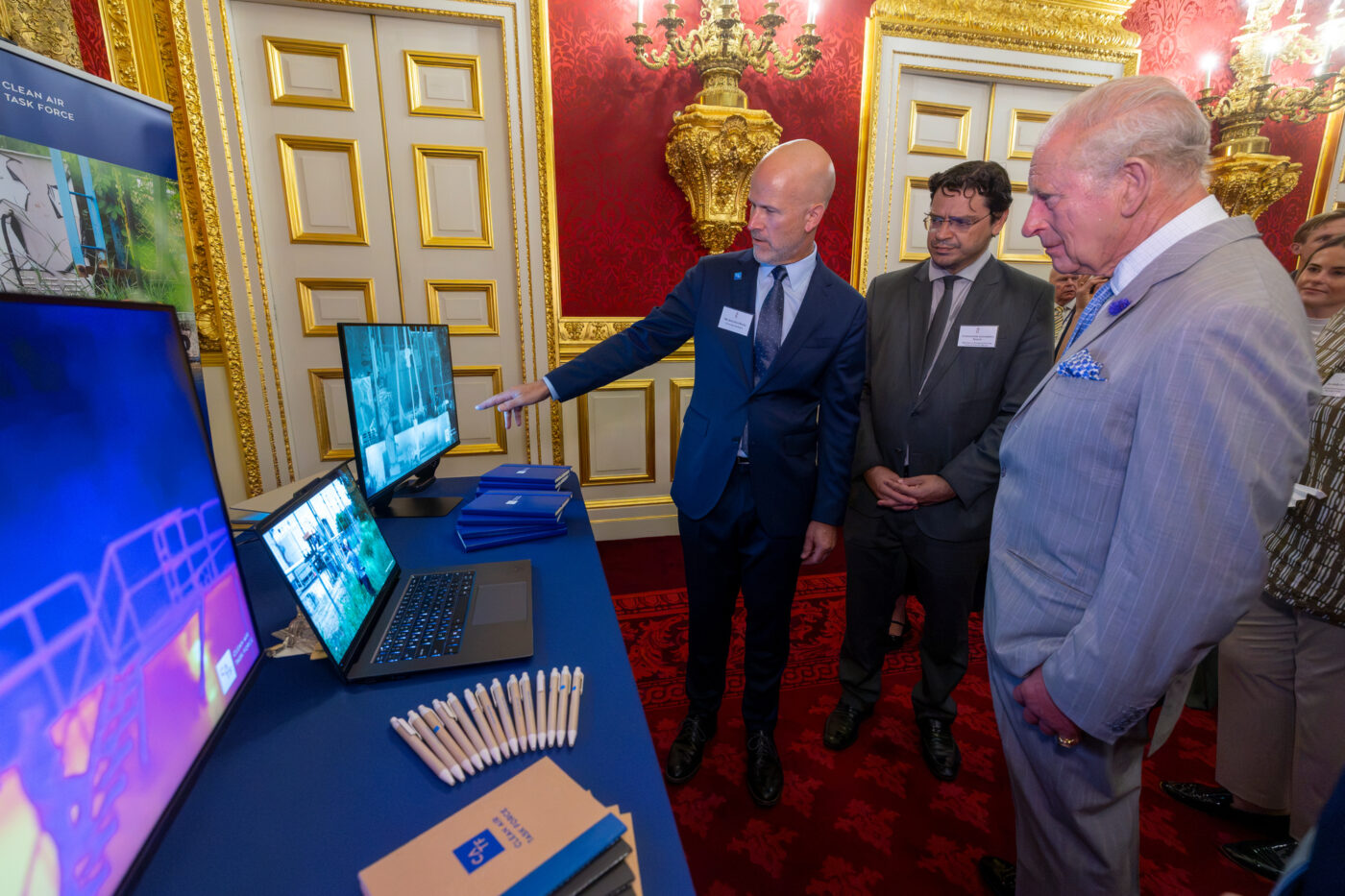
At the reception, Clean Air Task Force showed The King footage gathered during years of field work across Europe and around the world. Optical gas imaging cameras reveal methane escaping from tanks, valves and wells — pollution that is otherwise invisible.
As we demonstrated to the King, some fixes are remarkably simple. In Ecuador, a worker stopped an emission by closing a valve on a tank. Others take on far more importance, in Romania, CATF documented a leak near a playground, contributing to the operator’s decision to shut down the well.
Seeing methane changes the conversation. It turns an abstract emissions figure into a specific problem, at a specific facility, with someone responsible for fixing it.
The scale of the waste is difficult to defend.
Every year, 200 billion cubic meters of fossil gas are wasted through methane leaks and flaring across the global fossil fuel system — roughly twice Qatar’s annual liquefied natural gas exports
Meanwhile, about 300 billion cubic metres of new annual LNG export capacity is expected to come online by 2030.
The comparison is blunt: The industry plans to add more new supply than it currently wastes.
Before investing in ever more production and infrastructure, producers should stop losing gas that has already been extracted. And as new LNG supply chains begin operating, strong methane standards must ensure they do not lock in another generation of avoidable pollution.
This is where policy matters.
The EU Methane Regulation requires fossil fuel companies to measure, report and reduce emissions. Crucially, it also applies to imported fossil fuels. With full implementation, it could cut global oil and gas methane emissions as much as 30 per cent. But this isn’t just about pollution, all of that waste is also about energy security
By eliminating leaks and routine flaring globally, we could bring an additional 200 bcm of gas to the global market, roughly double Qatar’s annual exports.
Europe cannot regulate every facility in the world. But it can require producers selling into its market to meet credible standards.
Producing countries also need the capacity to act for themselves.
Two days before the Palace reception, CATF joined the UK government and the Climate and Clean Air Coalition at the House of Lords for an event hosted by Baroness Sheehan.
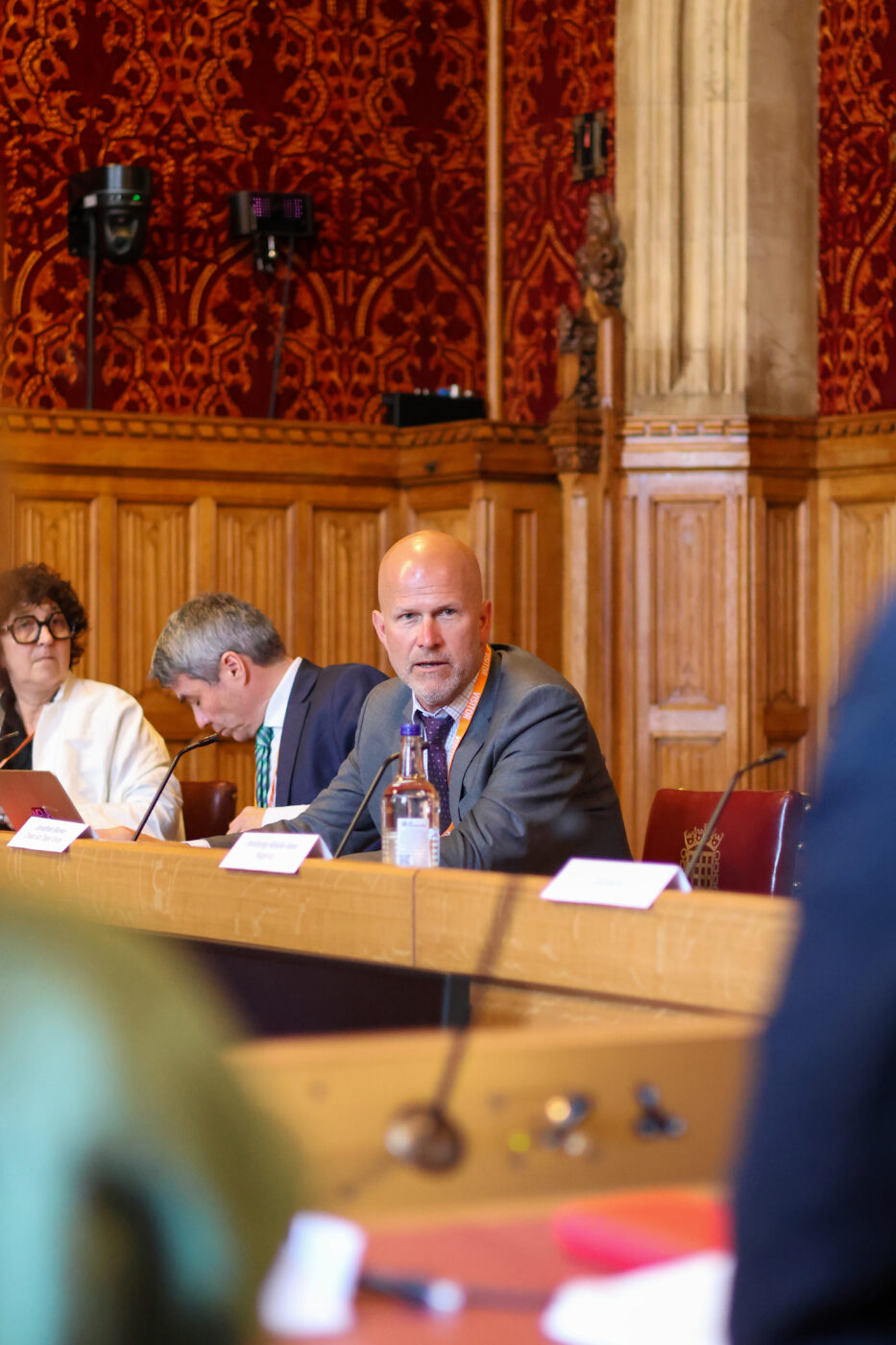
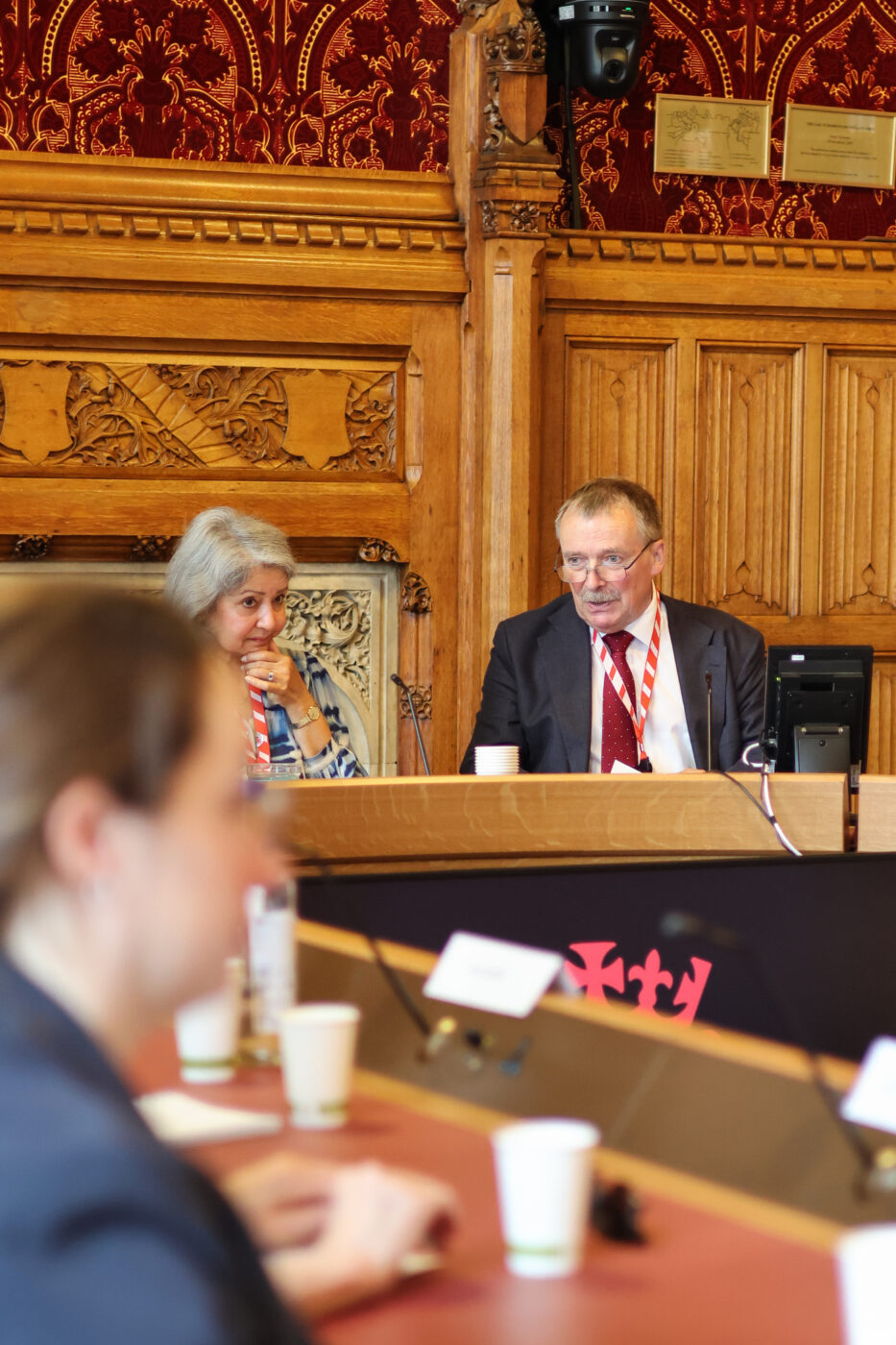
The purpose was straightforward: to show how targeted assistance can turn national methane commitments into rules that companies can follow.
The Fossil Fuel Regulatory Programme, launched in 2024 with UK government backing, helps low- and middle-income countries build those rules. Support includes emissions analysis, legal drafting, regulator training, monitoring systems and approaches to compliance and enforcement.
At the event, Egypt, Brazil, and Bosnia and Herzegovina were announced as new programme participants. They joined a growing group of governments seeking practical help to reduce methane from their energy sectors.
The programme aims to support up to 20 developing-country governments. Across a wider group of eligible national and subnational programmes, CATF estimates that effective implementation could prevent approximately 13.4 million tonnes of methane emissions each year by 2030.
The opportunity is clear. Governments are ready to stop wasting energy. The technology exists. The policy have all the right components. What is still missing in many countries is sustained finance to put them all this into practice.
The FFRP aims to help governments establish systems that can continue preventing pollution and cutting emissions for years.
Oil and gas offers some of the fastest reductions, but it is not the whole methane challenge. Agriculture and waste are also major sources and require their own practical policies, technologies and investment.
Across all three sectors, the principle is the same: Find the emissions, apply the solutions and fund implementation.
Methane is invisible. The opportunity is not.

