
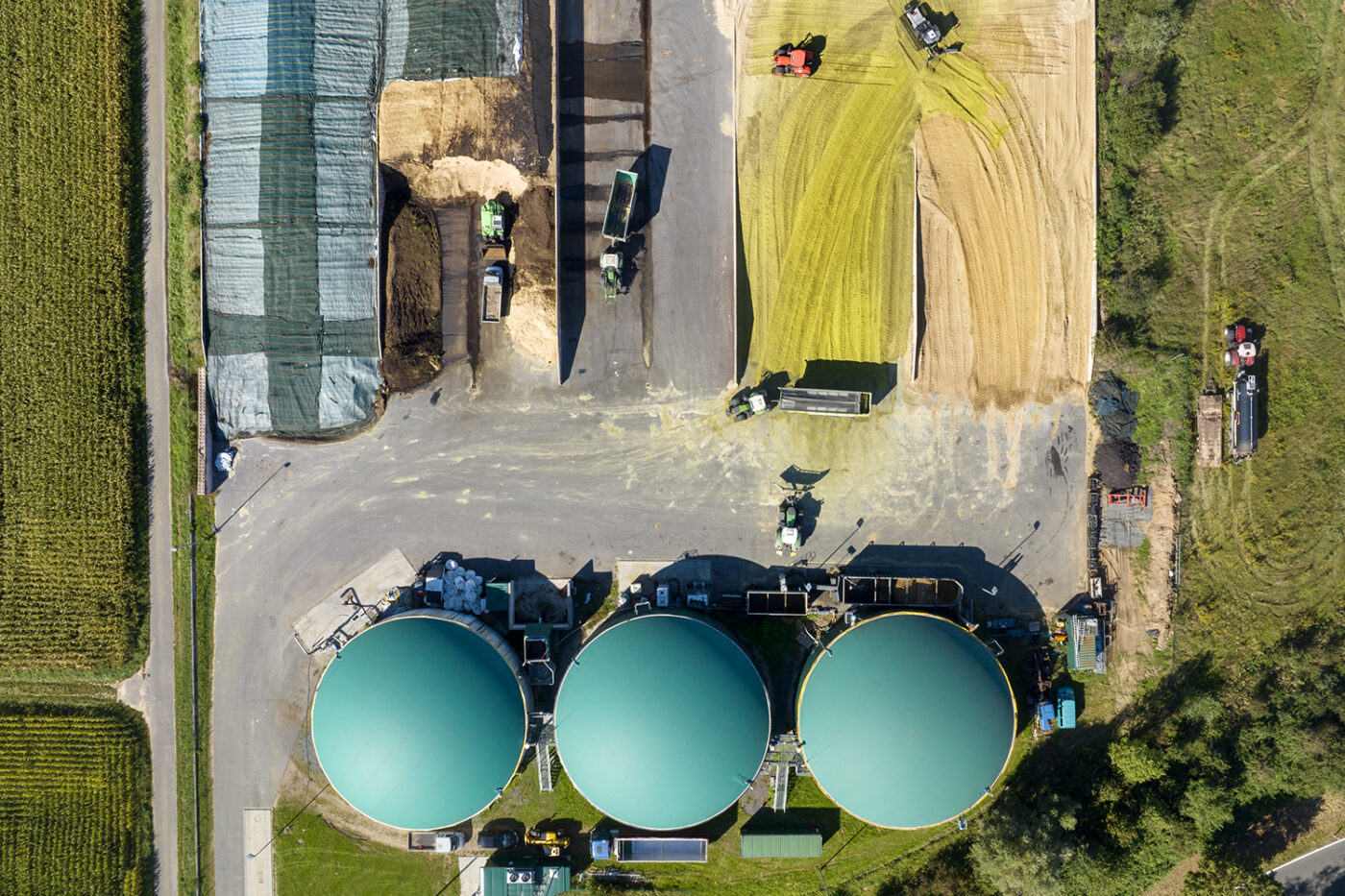
New study shows biomass carbon removal can help tackle climate change, and strong standards are needed for the industry to scale sustainably
A new study from Clean Air Task Force (CATF) shows 28% of existing biomass carbon dioxide removal (CDR) credit protocols score satisfactory, providing a strong foundation for robust standards. Durable carbon removal is critical for counterbalancing emissions from hard-to-abate sources and for reducing the buildup of carbon dioxide in the atmosphere.
The study, Strengthening Biomass Carbon Removal and Storage Protocols, was conducted with leading experts from research institutions. It evaluates the strength of 25 biomass CDR protocols used to certify carbon removal credits bought and sold in carbon markets as of May 1, 2025. The assessment represents a snapshot in time; several protocols have since been updated. However, earlier versions remain relevant because the carbon credits issued under prior protocols are still circulating today.
“Biomass carbon removal can play a significant role in climate mitigation, and robust standards are critical to inspiring market confidence and guaranteeing climate results,” said Stephanie Herbstritt, Senior Bioenergy Manager at CATF. “Just over one-quarter of existing protocols scored satisfactory in our study — providing a solid foundation for robust standards. But all protocols have room for improvement. We also report a wide range of scores, pointing to the need for greater consistency across biomass CDR standards to ensure comparability of credits and deliver climate outcomes.”
Biomass CDR offers the potential to deliver gigaton-scale climate mitigation by using plants to capture carbon from the air and engineered systems to store it securely for centuries or longer. Bioenergy with carbon capture and storage, bio-oil, and biochar are examples of biomass use that can result in carbon removal. Strong biomass CDR protocols are essential to ensuring high-quality carbon credits and building the community support and investor confidence needed for the industry to scale.
Key findings include:
- Biomass CDR presents a major climate mitigation opportunity, and strong, consistent protocols can help ensure climate and market integrity.
- 28% of the biomass CDR protocols reviewed in the study received a score of satisfactory — providing a strong foundation for robust standards.
- However, all protocols contain at least one fundamentally flawed approach and a wide range of scores exists across the protocols, underscoring the opportunity for improvement and need for greater consistency across standards.
The recommendations in CATF’s study provide a roadmap for governments, carbon credit registries, investors and buyers to strengthen protocols and ensure that biomass CDR systems both scale sustainably and deliver the intended climate benefits.
Read the executive summary and full report here.
Press Contact
Natalie Volk, Communications Manager, [email protected], +1 703-785-9580
About Clean Air Task Force
Clean Air Task Force (CATF) is a global nonprofit organization working to safeguard against the worst impacts of climate change by catalyzing the rapid development and deployment of low-carbon energy and other climate-protecting technologies. With 30 years of internationally recognized expertise on climate policy and a fierce commitment to exploring all potential solutions, CATF is a pragmatic, non-ideological advocacy group with the bold ideas needed to address climate change. CATF has offices in Boston, Washington D.C., and Brussels, with staff working virtually around the world. Visit catf.us and follow @cleanaircatf.

