
Superhot Rock Geothermal Summit 2026: Learning together to commercialize faster

The promise of superhot rock geothermal (SHR) energy is immense. By tapping into subsurface rock temperatures exceeding 400°C, it could deliver abundant, reliable, clean power virtually anywhere on Earth. That’s power that could help countries strengthen energy security, support industrial growth, and help meet growing electricity demand. But unlocking that promise requires more than technical ingenuity. It requires an industry that learns collectively, shares knowledge systematically, and builds the commercial confidence necessary to attract investment at scale.
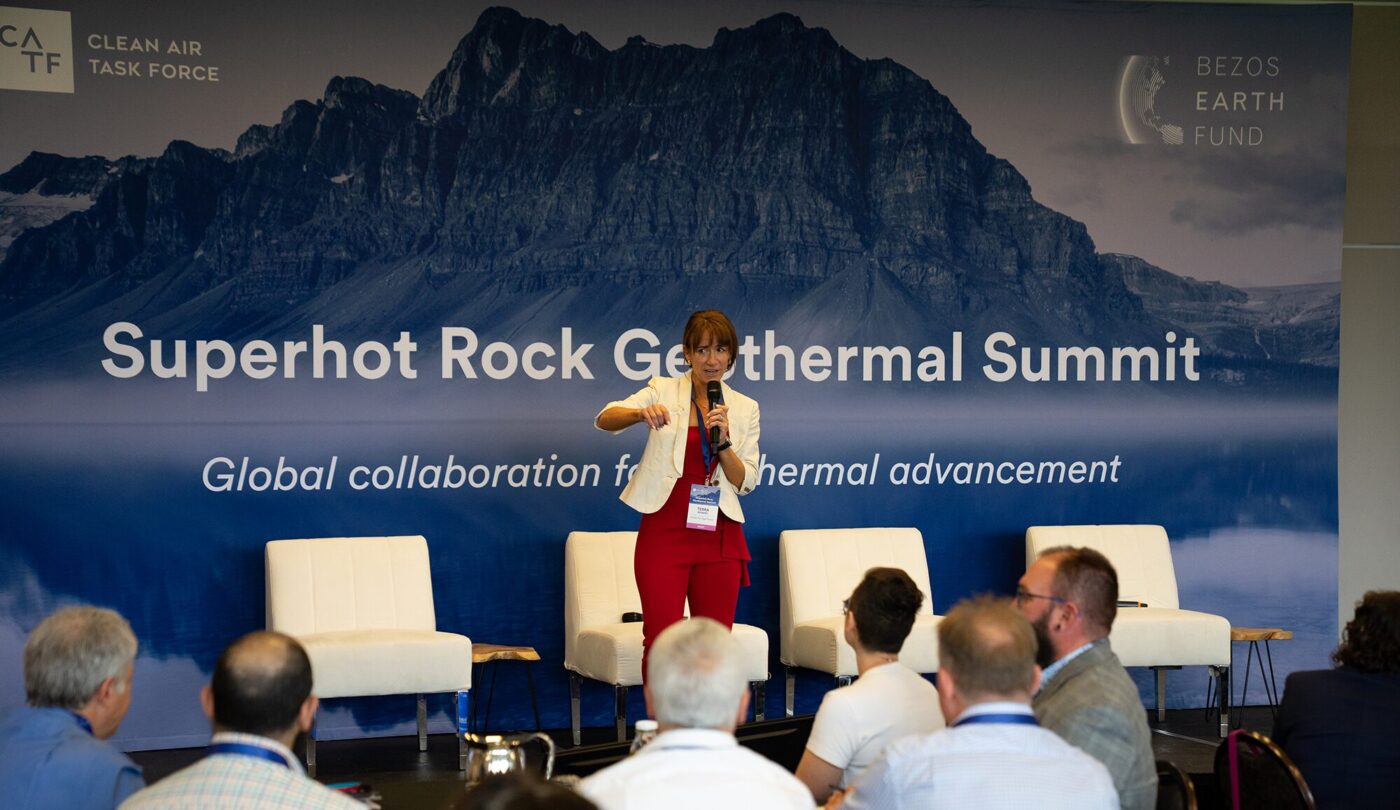
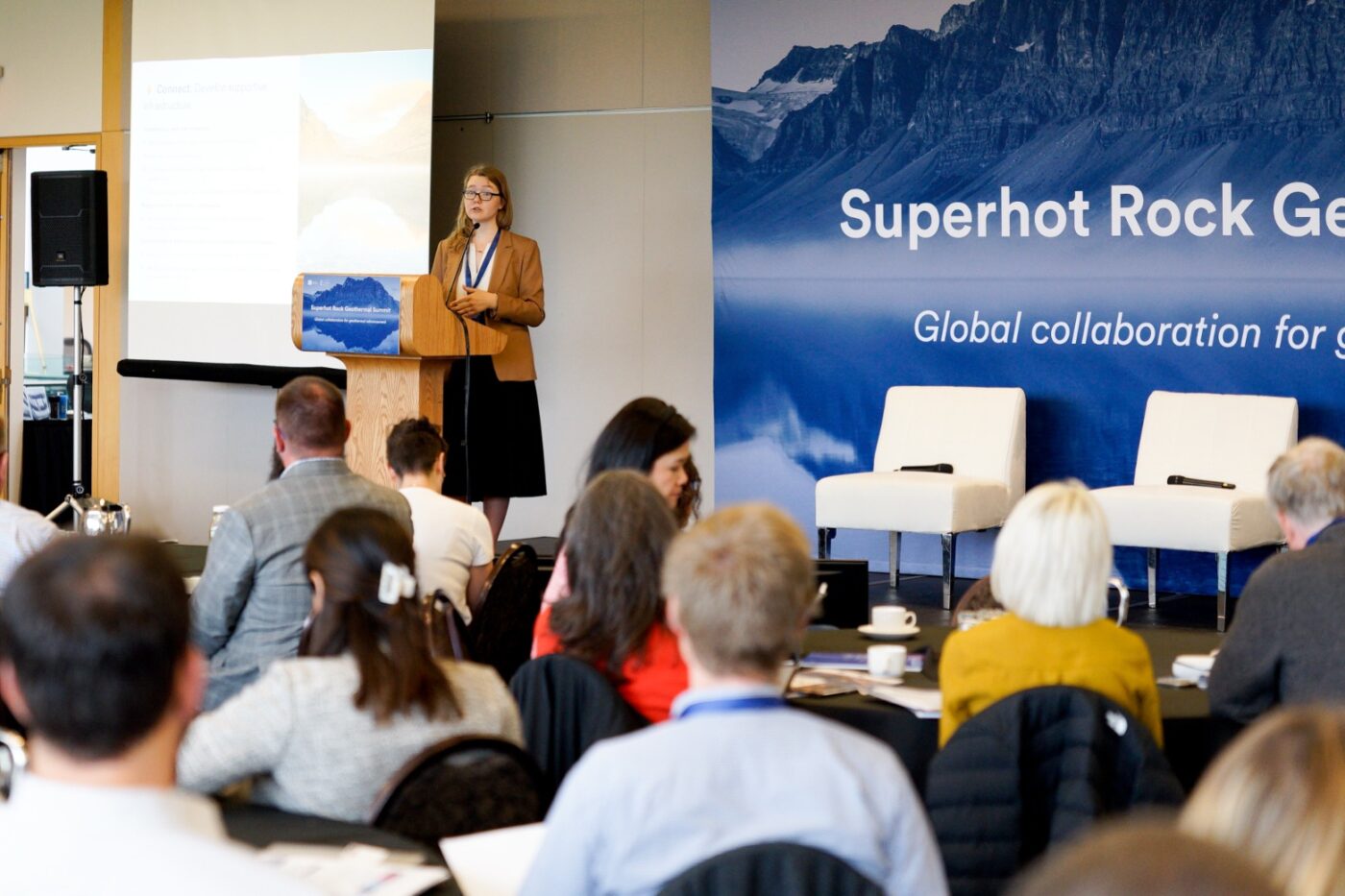
That is what brought researchers, developers, investors, and policymakers to Banff, Alberta from June 5–7 for the second Superhot Rock Geothermal Summit, co-hosted by Clean Air Task Force and the Bezos Earth Fund.
Below are a few key lessons from discussions at the Summit.
We are quickly entering a new phase of growth
Superhot rock geothermal looks meaningfully different since our inaugural summit in 2024. At the time, organizations actively pursuing superhot projects were in the single digits. Today, the ecosystem spans developers, national laboratories, research institutions, service companies, and investors. Importantly, governments are also increasingly recognizing the strategic value of ultra-high-temperature geothermal systems. Relationships forged through previous convenings are already producing collaborations, data-sharing efforts, and new project concepts. The pace of progress is accelerating, and the future is bright, though additional work is needed for superhot rock to reach its full potential.
We must build testbeds that work at commercial speed
Many of today’s most important lessons emerge when materials, tools, and systems behave differently than anticipated under extreme temperatures and pressures. High-temperature, high-pressure field-testing capabilities – particularly facilities capable of evaluating full-scale components under realistic operating conditions – are essential tools for accelerating industry-wide learning. Yet these testbeds remain scarce globally and are entirely absent in some regions.
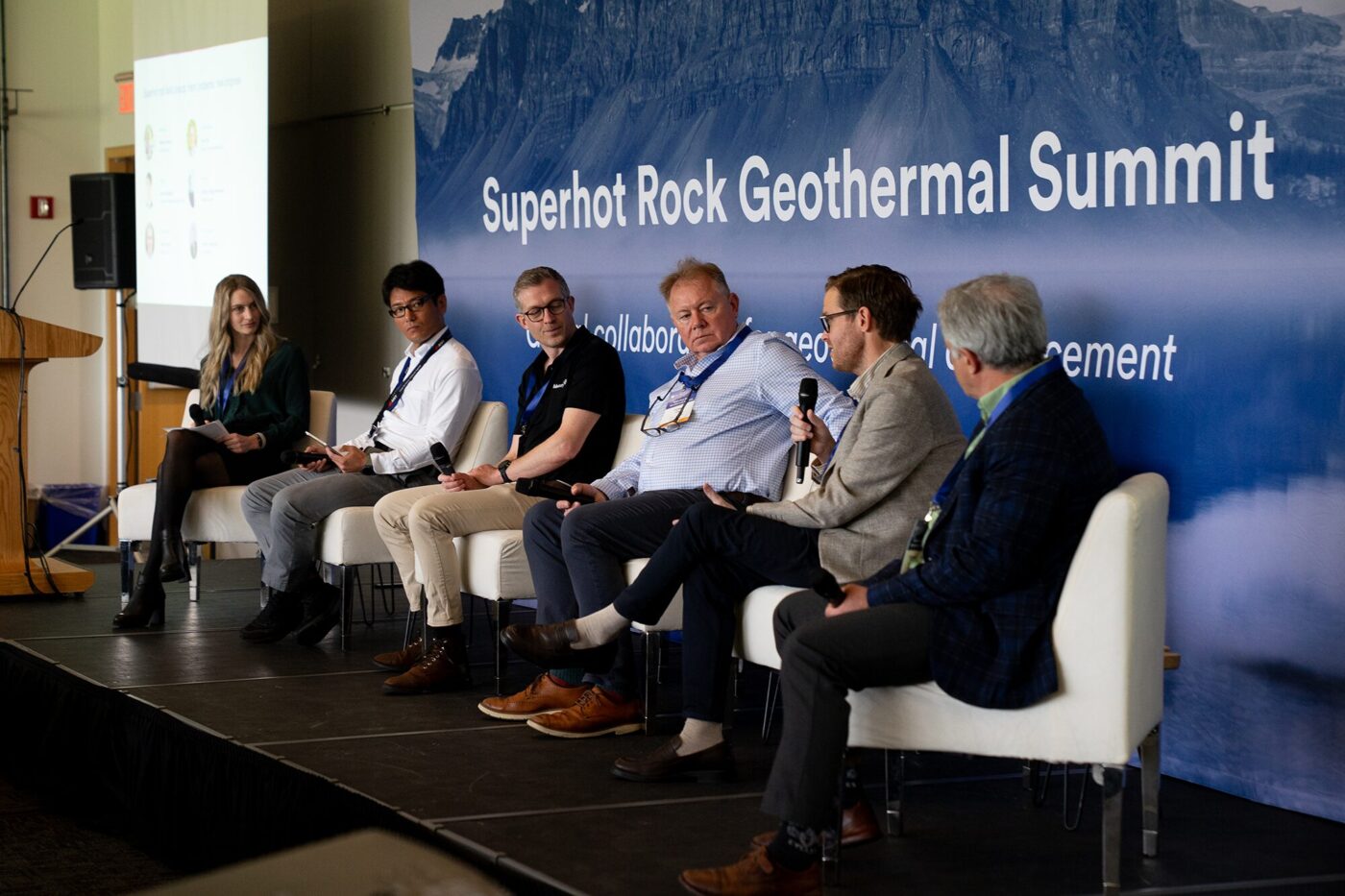
Advancing superhot rock geothermal will require the development of effective testbeds: those that operate with a well-defined scope that reflects the highest-priority technical questions facing developers, a transparent intellectual property framework, a clearly defined liability model, an effective governing body that includes both governments and industry, and decision-making processes capable of moving at commercial speed. Summit participants viewed private sector involvement as particularly important to ensure that testing activities remain relevant to real-world commercialization challenges rather than purely academic interests. Testbeds should also help derisk new regions for further development.
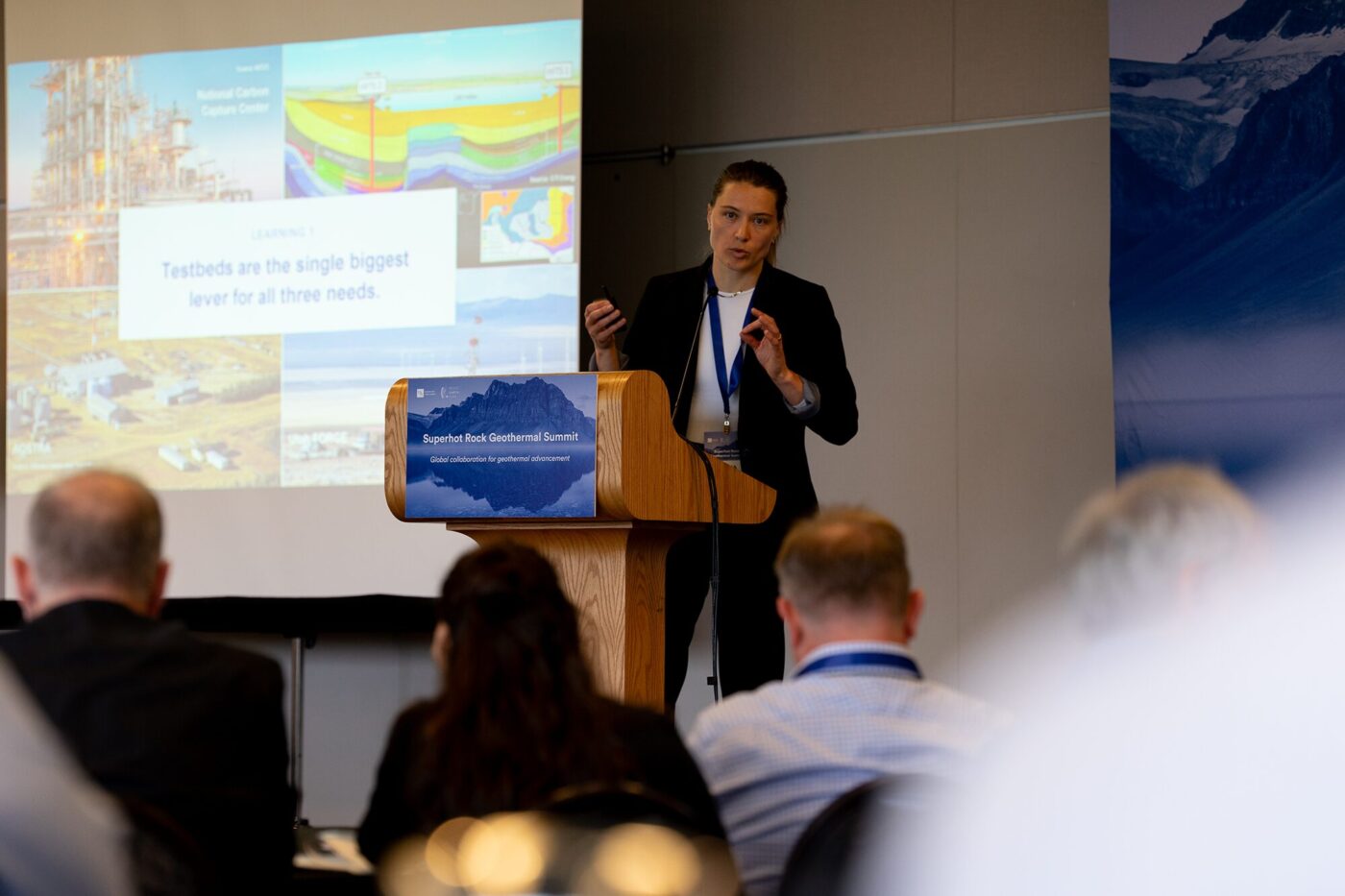
Successful testbeds do not simply conduct experiments, but instead create environments where technologies can be evaluated, lessons can be shared, and innovation cycles can be compressed in ways that benefit the entire industry.
We need better data and tools to model what we cannot yet see
The Summit helped identify several critical needs in superhot rock technologies. One area of strong alignment was the need for more sophisticated modeling and digital twin capabilities. Participants described significant value in the ability to simulate entire geothermal systems, both above and below ground, and reliably predict how changes in one component affect overall system performance. Such tools could dramatically reduce development risk, improve design decisions, and accelerate the path from laboratory innovation to field deployment. However, these tools are only as good as the data that feeds into them. The lack of quality data at high temperatures and pressures makes it difficult to develop sophisticated modeling. Bridging this gap requires testing capabilities and funding for the research required to improve the inputs and models that are used to run these simulations.
We must create the infrastructure for shared learning and collaboration
Discussions throughout the Summit confirmed that one of the greatest challenges to superhot rock development is a lack of communication and collaboration. For example, many organizations are unaware of available facilities, equipment, and expertise across regions and institutions. CATF’s Geothermal Frontier database of SHR testing capabilities, which was presented for feedback to summit attendees, is designed to address exactly this issue. By aggregating global datasets on institutional research capacity and country-level geothermal profiles, the platform provides structured data, technical insights, and networked expertise that support cross-sector collaboration and accelerate the development of higher-enthalpy resources at scale.
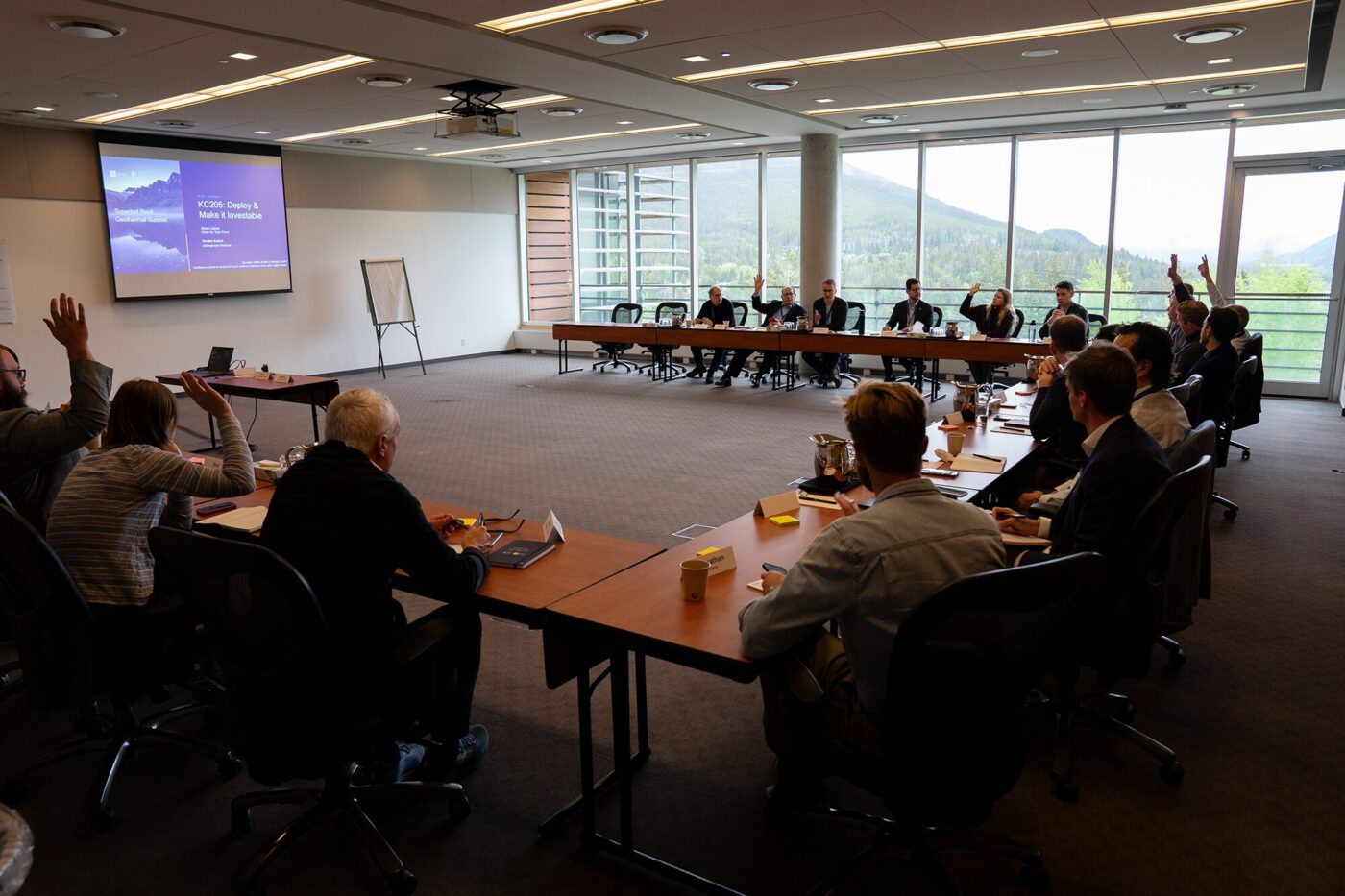
Superhot geothermal also remains a data-constrained field. With relatively few operating projects worldwide, there are simply not enough data points within any single country to confidently establish trends, validate assumptions, or rapidly improve performance. For superhot to advance, failures must be openly shared, analyzed, and learned from – but too many organizations continue to encounter problems that others have already experienced.
To address these issues, participants emphasized the importance of international collaboration. The future of superhot geothermal will depend not only on generating new data, but also on creating mechanisms that allow lessons learned in one region to inform decisions in another. This requires an international framework that supports data sharing, common terminology, governance structures, and trusted collaboration among governments, research institutions, and industry. Such a framework would help ensure that knowledge generated from early projects benefits the broader global ecosystem, ultimately reducing costs, and accelerating commercialization for all participants.
To derisk first-of-a-kind projects, financial tools cannot be ignored
Participants also emphasized that de-risking early projects is not solely a technical challenge; it is a financial one. Public funding and government-backed programs have a critical role to play in mitigating first-of-kind risk, establishing proof points, and creating the conditions and signals under which private capital can follow with confidence. Grant programs, convertible loans, blended finance, insurance backing, and offtake frameworks were all discussed as mechanisms that could meaningfully shift the risk metrics for developers and investors alike.
Looking ahead
The collaboration in these rooms helped shed light on a path forward. Building on the momentum from our inaugural summit in 2024, the field has grown in ways that would have been difficult to predict just two years ago. In the years before we convene again, new challenges will certainly emerge, but the shared infrastructure, frameworks, and relationships being built today mean we will face them from a stronger position, and closer to the goal of making superhot rock a meaningful part of the global clean energy system.

