

California can turn fusion momentum into commercialization. SB 925 is the next step.

In the United States, California has long been at the frontier of the nation’s pursuit of harnessing fusion as an energy source, the process by which lighter atomic nuclei, such as hydrogen, merge to form a heavier nucleus, releasing energy. This is the same reaction that powers stars, requiring extreme temperatures and pressures.
The state hosts world-class universities with deep expertise in the scientific foundations of fusion, and leading research institutions that play a critical role in advancing fusion innovation and commercialization. California is also home to the most fusion energy startups in the U.S., with more than one in three fusion startups operating in the state. Most notably, in 2022, Lawrence Livermore National Laboratory’s National Ignition Facility demonstrated the scientific feasibility of fusion energy production by achieving scientific energy breakeven for the first time, generating more energy out of a fusion reaction than was required to induce it. If successfully commercialized, fusion energy would put abundant, zero-carbon, firm energy on the grid to help address climate and load growth challenges facing both California and the nation. Turning this potential into electrons on the grid, however, will require policy clarity for the burgeoning fusion industry to know they will have a clear pathway to move from the laboratory to the grid in California.
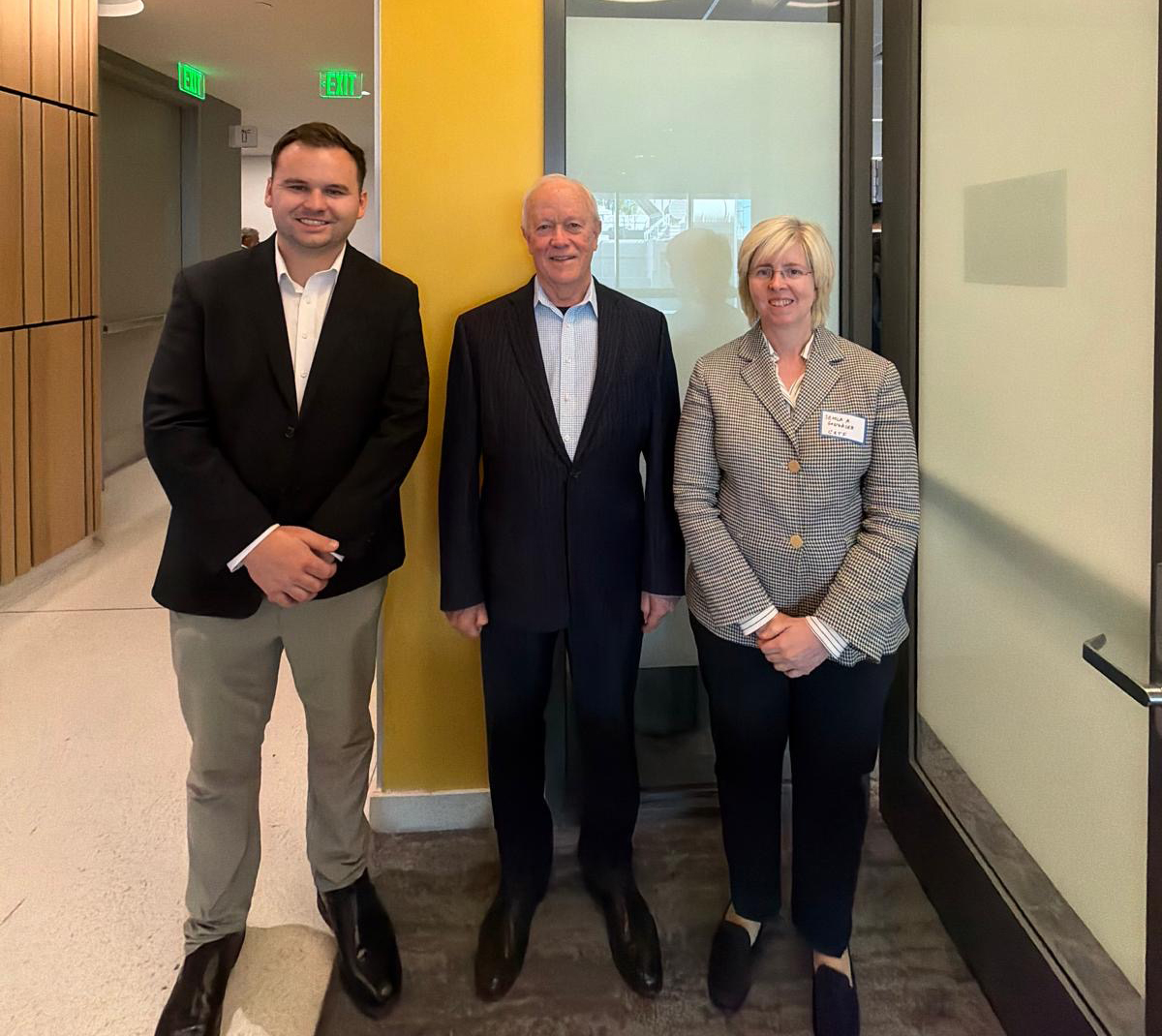
In May, the California Senate passed SB 925, a bill which would take significant steps towards providing that policy clarity. Authored by Senator Jerry McNerney (SD 5), SB 925 directs the California Energy Commission (CEC) to develop a strategic plan for fusion energy research, development, and commercialization in the state. Notably, the bill includes key recommendations from Clean Air Task Force’s State Policy Options for Fusion Energy Deployment, which details steps that states can take to create conducive environments for fusion energy deployment. SB 925 passed unanimously, 37–0, with Democratic and Republican support.
What the bill would do
SB 925 includes key provisions that will allow the CEC to develop a strategic plan to advance fusion energy research, development, and commercialization in California. These include:
- Identifying suitable locations for expansion of research facilities, new locations for R&D, and assessments of locations with existing assets which would accelerate the deployment of fusion energy facilities and develop economic and workforce development pathways.
- Establishing a roadmap for permitting and licensing, aligned with the Nuclear Regulatory Commission’s rule establishing a regulatory framework for fusion machines, once finalized.
- Assessing how a fusion energy industry could best support the state’s renewable energy and emissions reductions goals.
- Ensuring that clean energy financial incentives, programs, and other policy tools are available to fusion energy developers.
- Including fusion component manufacturers in the AB 205 opt-in permitting mechanism, which would allow developers to opt into the CEC’s streamlined permitting process.
- Clarifying that AB 205’s exclusion of facilities using nuclear fuels only applies to fission fuels.
If passed and successfully implemented, SB 925 would set clear rules of the game for the commercialization of fusion energy in the state, enabling developers to operate with confidence as they move toward building power plants. It would also marshal state resources behind the California fusion ecosystem to overcome remaining obstacles to fusion energy commercialization.
What’s at stake
California is a leader in the fusion energy industry today, but maintaining that lead is not guaranteed. Other states and nations are moving aggressively to develop incentives and attractive regulatory and siting conditions to become leaders in the race to commercial fusion energy. Fusion energy developers are making siting decisions today based on the confidence they have in what deployment conditions will look like tomorrow.
California has already passed important incentive provisions, thanks to the leadership of key fusion champions in the California Senate such as Senator McNerney, Senator Anna Caballero, and Senator Catherine Blakespear, to make California a leader in the commercialization of fusion energy. SB 86, passed in 2025, expanded the CAEATFA Sales and Use Tax Exclusion program to include fusion energy facilities. SB 80, also passed in 2025, created the Fusion Research and Development Innovation Initiative, which would allow the state to match federal awards to fusion energy companies and/or launch its own competitive award processes. SB 925’s strategic plan to set a clear framework for moving from the laboratory to the grid is a key matching component to these programs in order to make California the destination of choice for commercial fusion deployment.
What’s next
All of these policies will need effective implementation to have an impact. SB 80 will need to be funded significantly beyond its initial appropriation of $5 million to accelerate research, development, and commercialization of fusion in California. Similarly, SB 925 will need champions to act upon the recommendations set forth in the plan to actually enable simpler siting and permitting procedures and to enable local economic and workforce development.
Passing the California Senate was only the first milestone. SB 925 now moves to the California Assembly, which must pass the bill before it can be signed into law. CATF will continue to support SB 925 through Assembly consideration and looks forward to working with stakeholders across California to move the bill to the Governor’s desk. If it passes, we look forward to engaging with the California fusion ecosystem to help develop and implement the strategic plan SB 925 requires.

