
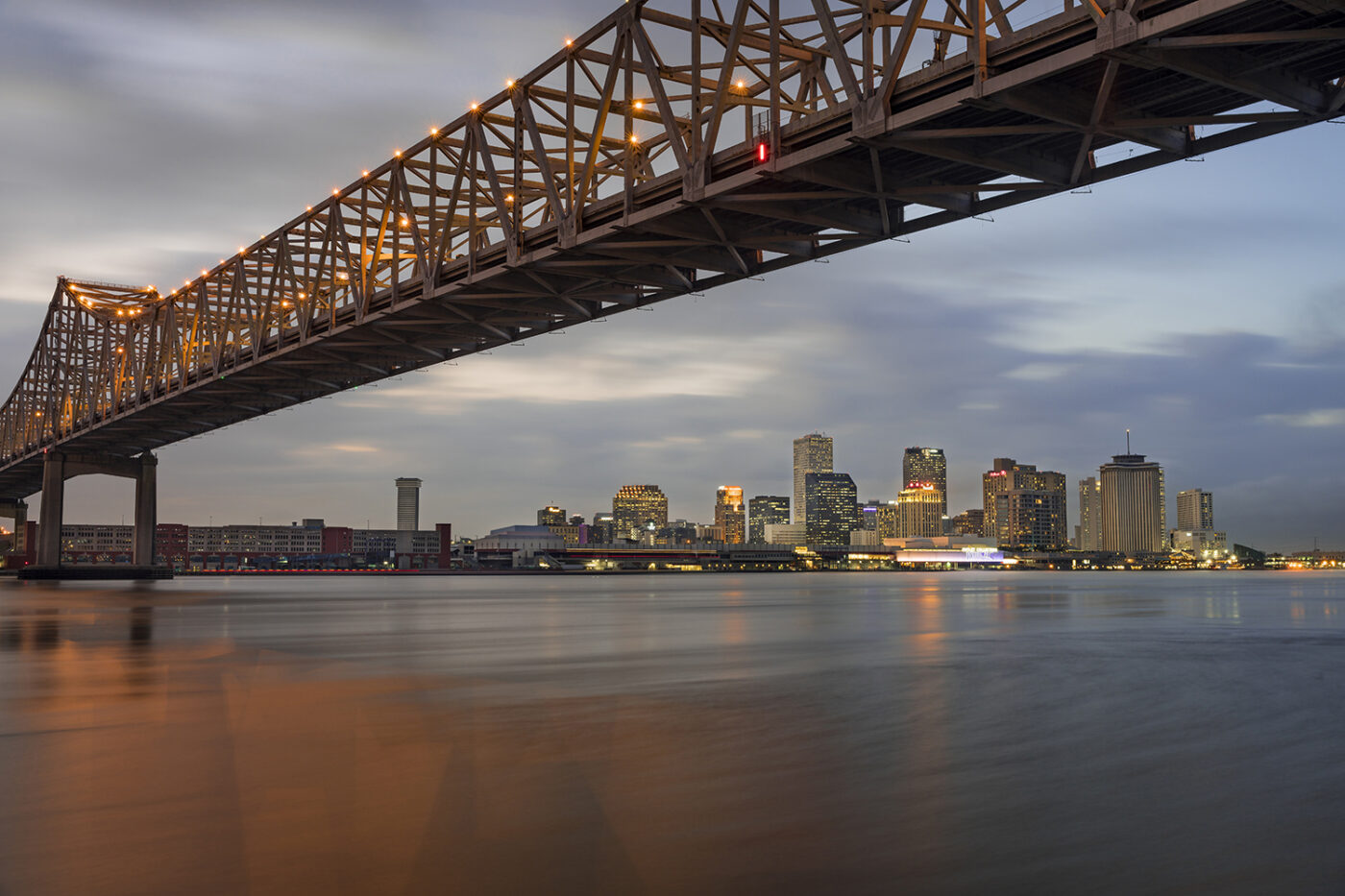
Unlocking clean hydrogen in Louisiana


Hydrogen is already a critical input to the U.S. economy, used extensively in refining, ammonia production, and methanol manufacturing industries. These sectors rely on hydrogen at scale to produce transportation fuels, fertilizers, and chemical feedstocks that underpin global energy and agricultural systems. Traditionally, most hydrogen is produced using emissions-intensive processes integrated into existing industrial operations. In recent years, however, clean hydrogen, defined by its lower lifecycle emissions, has gained traction because of its versatility across a wide range of end uses, from high-temperature industrial processes to heavy-duty transportation, as well as its growing role in the international markets. Clean hydrogen brings significant opportunity to attract new industries, support high-quality jobs, improve local air quality, and strengthen U.S. global competitiveness.
These opportunities are especially relevant for Louisiana, where a strong industrial base, existing hydrogen demand and production capacity, and significant geological storage potential create a compelling foundation for clean hydrogen deployment and long-term growth. Louisiana has the ingredients to become one of the country’s most competitive clean hydrogen leaders. Few states have a hydrogen ecosystem as mature as Louisiana’s. Today, the state is already one of the nation’s top hydrogen producers and consumers due to the concentration of refining, ammonia production, and methanol facilities. According to our recent U.S. hydrogen demand assessment, with a total dedicated hydrogen production of almost 2.5MMT, Louisiana ranks #1 nationally in both dedicated hydrogen production and ammonia production capacity, #2 in refining capacity, and #3 in hydrogen production for petroleum refining, while also being one of the nation’s leading methanol-producing states. These industries have spent decades building expertise, workforce depth, and safe infrastructure that translate directly into an advantage for scaling clean hydrogen.
This strong industrial base is paired with another major asset in the state: carbon capture and sequestration. Louisiana leads the nation in Class VI well applications and sits on world-class geology for permanent carbon dioxide storage. Combining a robust hydrogen industry with unparalleled CCS potential positions Louisiana to lead on clean hydrogen production and deployment. These unique competitive advantages have contributed to billions of dollars in announced clean hydrogen, ammonia, and methanol projects in Louisiana.
Louisiana’s Clean Hydrogen Task Force
Recognizing this momentum, the Louisiana Legislature created the Clean Hydrogen Task Force through HCR 64 during the 2024 session. Its charge was clear and ambitious: evaluate Louisiana’s opportunities for clean hydrogen and recommend strategies to accelerate the state’s clean hydrogen economy. The 17-member Task Force was comprised of agencies, utilities, industry, economic development organizations, and nonprofits, including CATF as a member. Over 18 months, the group met regularly, hearing from project developers, academics, and state and federal officials to develop a set of recommendations intended to accelerate clean hydrogen in the state.
Key findings and recommendations
The Task Force voted for unanimous adoption of its report and sent it to Governor Jeff Landry at the beginning of December 2025, with a clear message that hydrogen has potential to grow in Louisiana and its production and deployment should be supported. Hydrogen reinforces Louisiana’s energy economy and clean hydrogen opens new economic pathways tied to emerging global demand for low-emission commodities.
These recommendations fall into three major policy buckets:
- State leadership. Sustained state agency coordination on hydrogen and ongoing engagement with the federal government offers benefits to Louisiana as incentives and regulatory frameworks evolve.
- Economic development. The state can develop action plans to identify priority end uses, expand workforce training, and prepare for infrastructure build-out aligned with industry needs and demand.
- Regulatory clarity. Louisiana can adopt a clear, credible definition of clean hydrogen for market clarity and strengthen regulatory capacity for efficient and safe project reviews and permitting. Aligning this definition with emerging international standards for low-carbon hydrogen would also help position Louisiana to compete in expanding export markets.
CATF sees real opportunity and meaningful impact in moving a few of these recommendations forward that are ready for implementation. In particular, the strategic economic development plan has significant potential to align near-term project announcements with long-term growth opportunities and infrastructure planning, tying together production hubs with local and global offtake. Expanded regulatory capacity would help the state evaluate projects quickly and responsibly.
Looking ahead
As the Legislature prepares for the upcoming session, advancing the Task Force’s recommendations will be critical for translating momentum into action and ensuring Louisiana captures the full breadth of benefits of a growing hydrogen industry. Louisiana has a real chance to lead, but doing so will require clear direction, strong state leadership, and sustained commitment. The state’s competitive advantages are significant: a built-in hydrogen market, deep CCS expertise, existing pipeline and port infrastructure, an experienced workforce, and a growing pipeline of projects. Companies and investors have already proposed billions in projects for clean hydrogen, ammonia, and methanol investments. The question now is whether the state will put the policies into place that enable this opportunity to flourish.

